Weston MA Vs Neighboring Towns: Which Town Suits You?
March 26, 2026
March 26, 2026
Do you picture a long, tree-lined driveway, quiet mornings, and a backyard that feels like your own park? If that sounds like your dream, Weston’s ultra-private, estate-style setting may be calling you. But privacy comes with tradeoffs in walkability, transit, and carrying costs compared to nearby towns like Newton, Wellesley, and Wayland. In this guide, you’ll see how each community stacks up on the things that matter most, so you can decide what fits your lifestyle best. Let’s dive in.
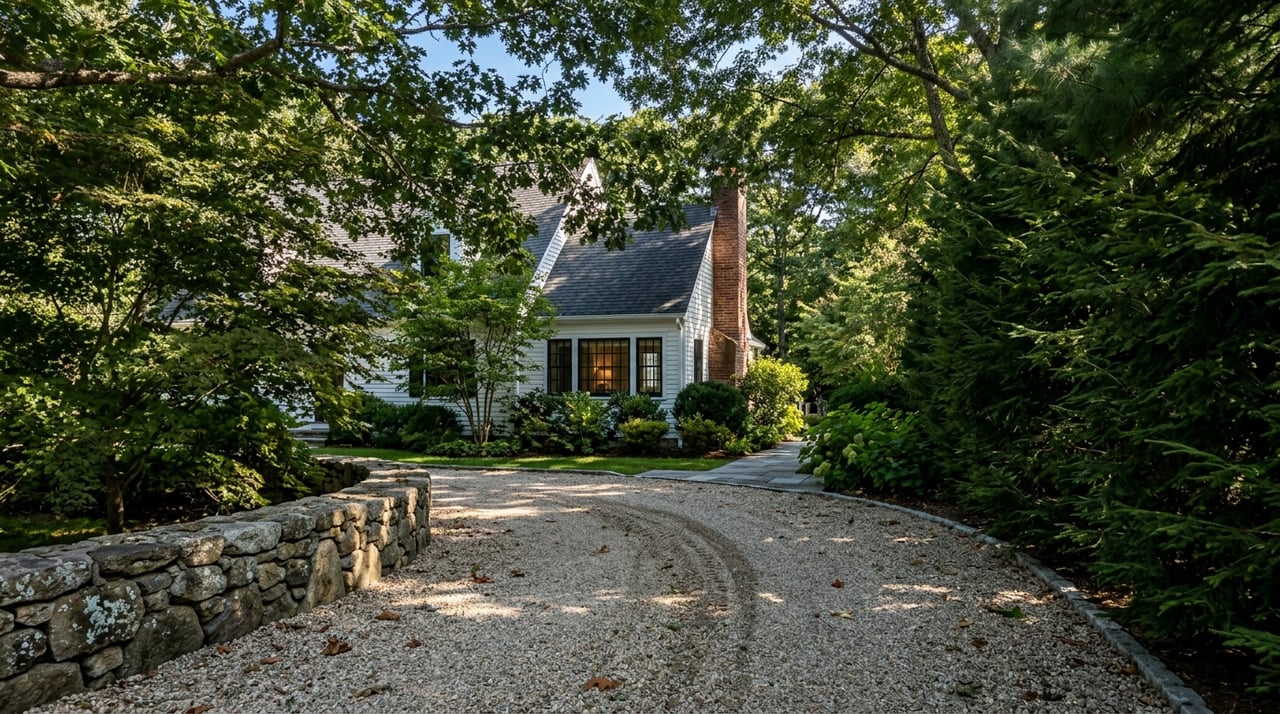
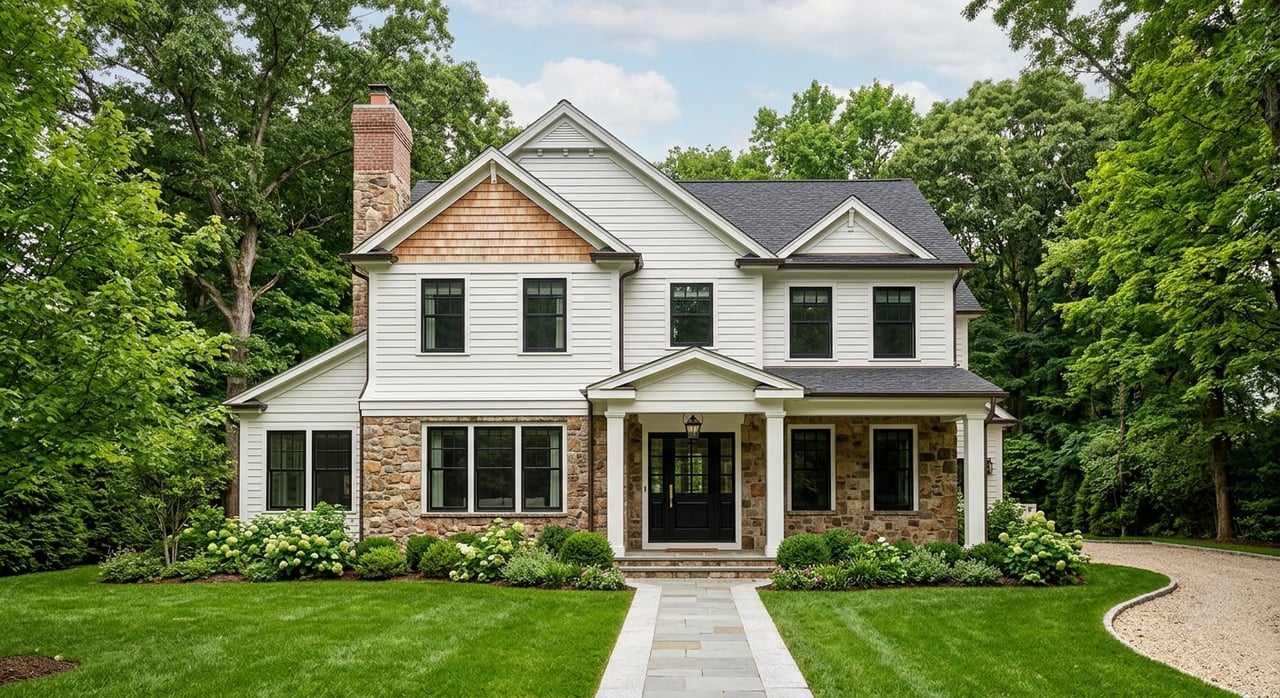
Weston is known for space, privacy, and nature. The town spans about 17 square miles with low residential density and extensive open space, which the Town highlights in its overview of local geography and statistics. That setting gives everyday life a calm, tucked-away feel. You will find longer driveways, mature trees, and wide buffers between neighbors. Weston’s official data confirms the town’s low-density profile.
A big reason that privacy endures is zoning. Weston’s single-family districts require large minimum lot sizes of roughly 60,000, 40,000, 30,000, or 20,000 square feet, depending on the zone. Those rules make new small-lot subdivisions rare, which preserves the estate-scale character buyers value. You can see those standards in Weston’s zoning bylaw.
Schools are a major draw. Weston Public Schools consistently appear near the top of statewide rankings, which helps support strong home values. For a recent snapshot of district standing, review Niche’s rankings for Weston Public Schools. Market-wise, many vendors have reported median single-family prices in the low to mid 2 million dollar range in 2024–2025. Inventory is limited, and luxury listings can take time to transact. Always check current MLS data before you make a final decision.
If you want quality schools and a walkable daily rhythm, Newton delivers with a network of village centers like Newton Centre, Newton Highlands, and Waban. The Green Line D branch and several bus routes make commuting to Boston straightforward. Village cores offer shops, dining, and services close to home. For a feel of walkable pockets, explore Walk Score’s view near Newton Centre. Newton’s single-family prices are widely reported below Weston’s on most vendor snapshots, often in the 1.3 to 1.8 million dollar range depending on month and source. Housing types run the gamut, from larger homes to smaller-lot options and condos near transit.
Wellesley blends a polished downtown and village convenience with a luxury housing profile. You get strong schools, proximity to colleges, and multiple commuter-rail stations that connect to Boston. Homes often trade in the low to mid 2 million dollar range on many market reports. If you want a town-center lifestyle with high-end housing and easy rail access, Wellesley is a compelling option.
Wayland keeps a lower-density, conservation-minded feel, but it is not as estate-scale as Weston. Most errands require driving, and many residents commute by car or park-and-ride to nearby rail stops. It typically shows more moderate pricing than Weston or Wellesley, with many snapshots placing medians around 1.0 to 1.2 million dollars. For town-level context, see Census QuickFacts for Wayland.
Ultra-private settings come with practical tradeoffs. Weston has limited village-style walkability and fewer transit nodes. Kendal Green on the MBTA Fitchburg Line is the primary in-town commuter-rail stop. Travel time depends heavily on traffic and destination, and most day-to-day errands are car-based. For a high-level town overview, including commute context, review Weston’s page on Wikipedia.
By comparison, Newton’s Green Line D branch and bus routes offer frequent service, and Wellesley’s commuter-rail stations provide reliable Boston access. Wayland leans car-dependent for both errands and commuting. Census averages indicate mean commute times around the mid-20 minutes in Weston, Newton, and Wellesley, and above 30 minutes in Wayland. Your specific routine, schedule, and destination will drive the real-world difference.
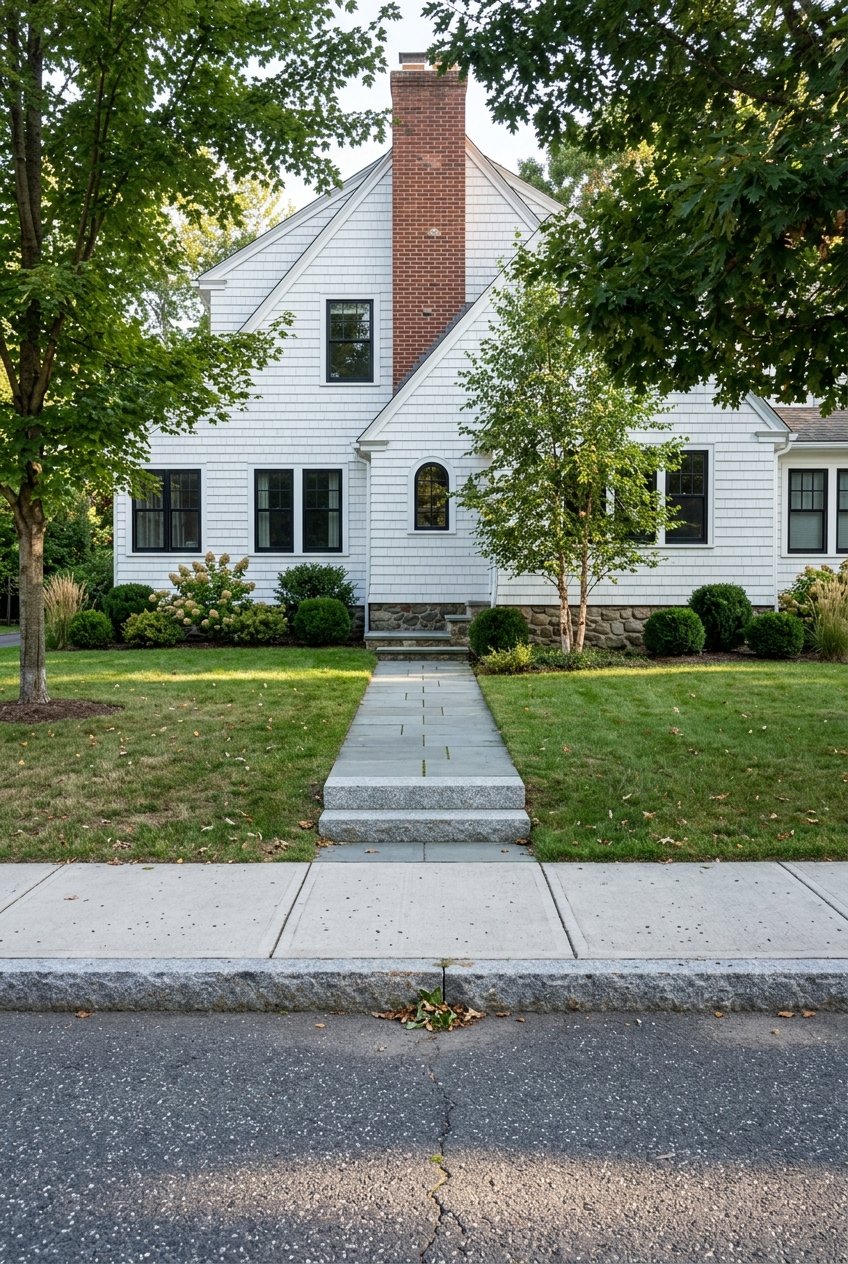
If running errands on foot is a must, know that Weston’s addresses generally return very low Walk Scores. That is the natural outcome of large-lot zoning and fewer village cores. Newton’s village centers, by contrast, are walkable and lively, and Wellesley Square and Linden Square provide a true small-town main street feel. To see how a village core performs, check Walk Score’s Wellesley page. If you prefer quiet roads, big lawns, and trail access, Weston’s setting will likely feel like a fit. If you value being steps from coffee, dining, and transit, Newton or Wellesley may be the better match.
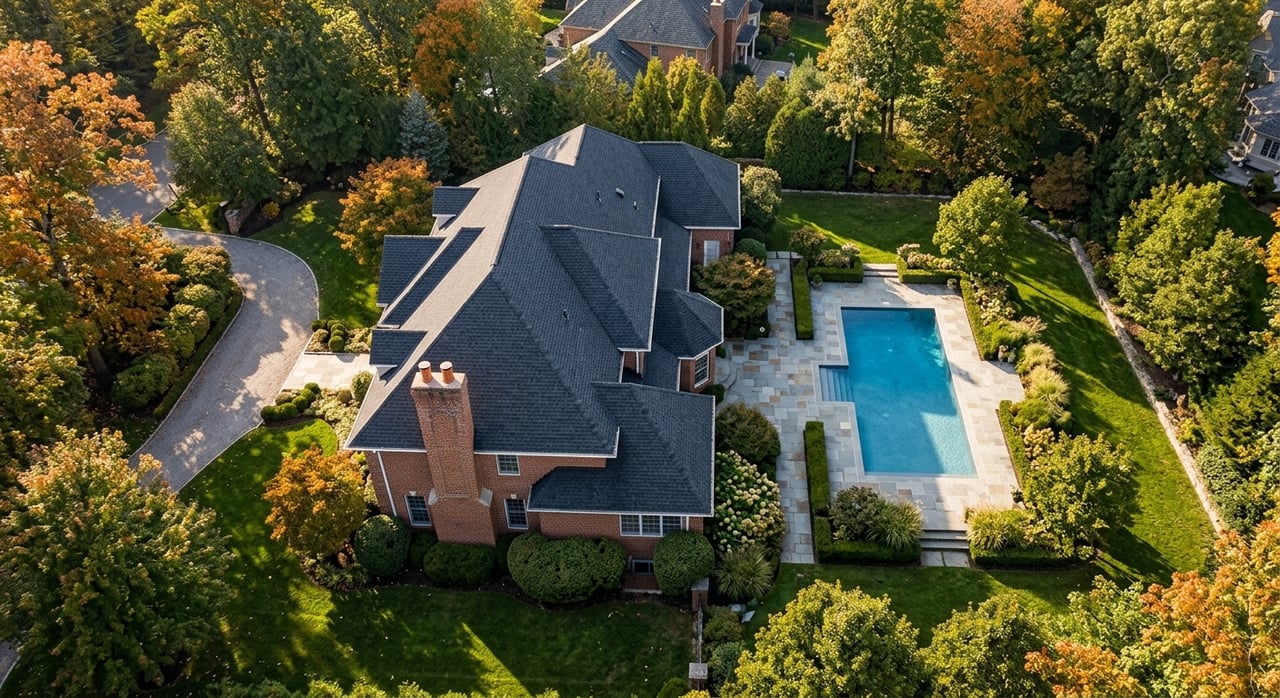
Privacy often means higher carrying costs. Large lots and older estate homes can bring bigger line items for landscaping, snow removal, mechanical systems, and long-run updates. On the tax side, remember that absolute bills reflect both assessed value and the town’s tax rate. Weston publishes detailed materials each fiscal year. For a current reference, review the town’s FY2025 Tax Classification Report and run a sample bill at your target price point. When you compare towns, use the same assumed value for an apples-to-apples view.
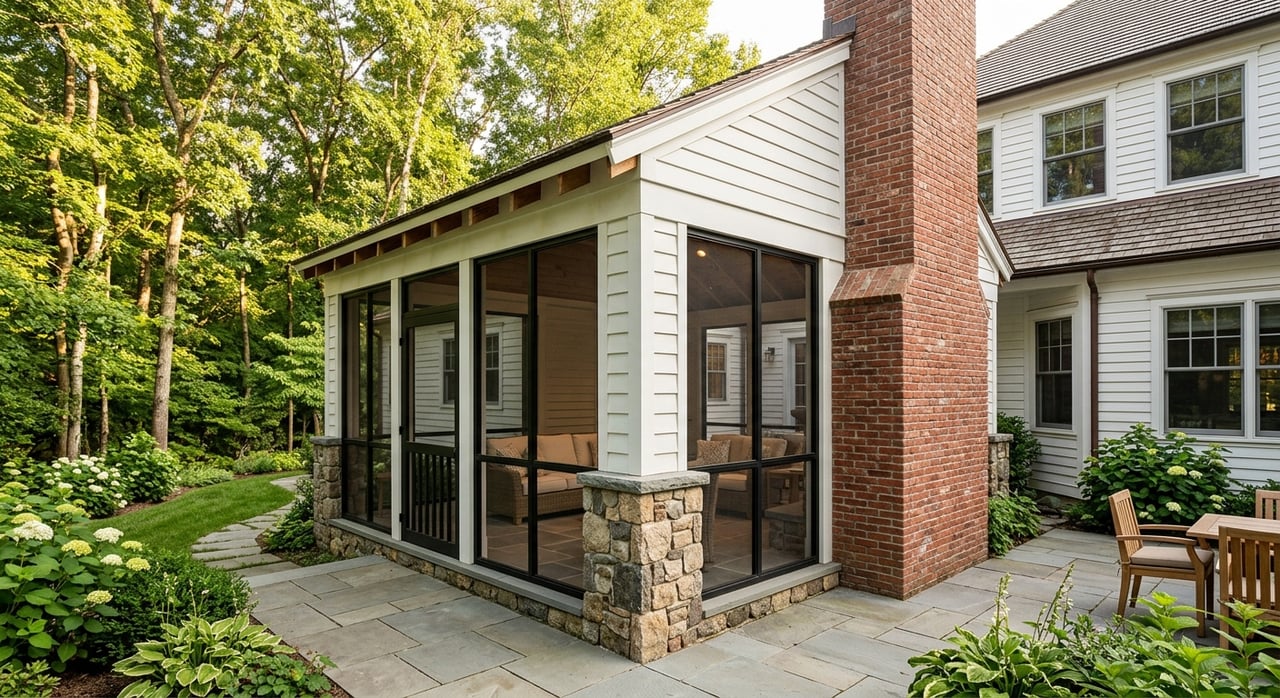
If you plan to downsize in the next 3 to 7 years, inventory type matters. Weston’s low-density pattern means fewer condo or townhome options, while Newton and Wellesley offer more village-core condos and small-lot choices. Weston has added flexibility through its Accessory Dwelling Unit (ADU) bylaw, which can create a smaller secondary unit on an existing lot. It does not create new village cores, but it can help multigenerational households or live-in care plans. You can review the rules on Weston’s ADU page.
Healthcare access is another practical factor. Newton-Wellesley Hospital sits on the Newton-Wellesley line, giving Newton and Wellesley residents notably quick access to established hospital services. Learn more via the Newton-Wellesley Hospital overview.
A few simple field tests can make your choice much clearer:
Ready to explore homes and neighborhoods with a local expert who will advocate for your goals and keep the process clear and on track? Reach out to Edith Paley to start a tailored search or request your free home valuation.
Stay up to date on the latest real estate trends.
Edith will be your advocate. Whether buying or selling or both, she will work tirelessly to promote your best interests. When orchestrating deals, Edith is assertive and effective without being too aggressive.