Is Lincoln MA Right For You? Nature-Focused Living
May 21, 2026
May 21, 2026
If you’re dreaming of a home where trails, protected open space, and a quieter daily pace are part of everyday life, Lincoln may already be on your shortlist. But nature-focused living is not the same as easy-for-everyone living, especially in a town with high home values, a mostly low-density housing pattern, and commuter routines that still lean car-first. This guide will help you understand what Lincoln, MA really feels like, who it tends to suit best, and what to weigh before you make a move. Let’s dive in.
Lincoln is a small Middlesex County town of roughly 7,000 residents about 18 miles west of Boston. The town describes itself as a residential commuter town, and that framing matters because Lincoln is shaped less by a dense downtown and more by conservation land, farms, trails, and scenic road corridors.
If you picture a place with constant retail activity and an urban street grid, Lincoln may feel too quiet. If you want a setting where natural scenery and land preservation shape daily routines, Lincoln stands out in a meaningful way.
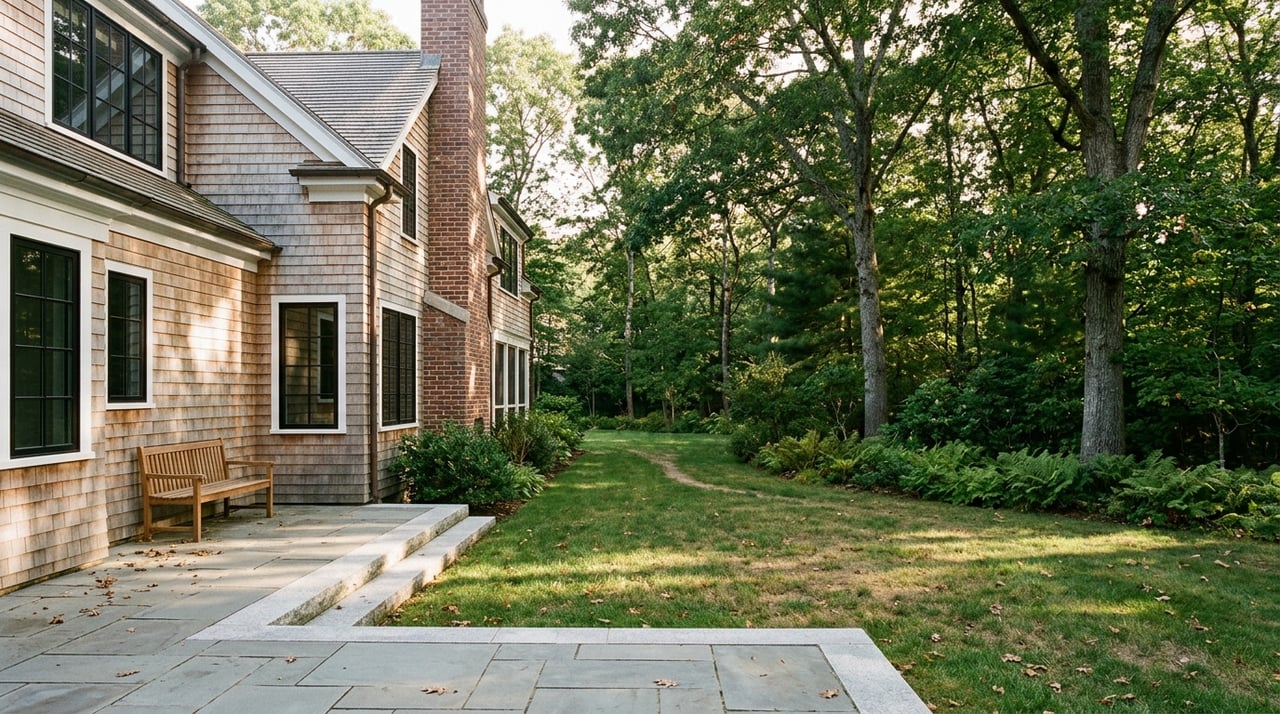
Lincoln’s identity is closely tied to protected land and outdoor access. The town says its Conservation Department stewards 1,600 acres of municipal conservation land, and local planning documents report that almost 35 percent of the town, or about 5 square miles, is permanently protected.
That level of preservation is not just a background detail. It affects how the town looks, how it grows, and how you spend your time once you live there.
Lincoln residents and visitors use more than 80 miles of trails. The Lincoln Land Conservation Trust also helps maintain more than 80 miles of public trails and protects land through parcels and conservation restrictions, which reinforces the town’s conservation-first character.
For you as a buyer, that means outdoor access is not limited to a single park or weekend destination. It is woven into everyday life, whether you want a morning walk, a trail run, or a short nature break close to home.
Lincoln’s trail system is active, but it is also structured. Town trail rules say conservation land is open from half an hour before sunrise until half an hour after sunset, users should stay on marked trails, and bikes are only allowed where trails are specifically marked for that use.
Some trails also cross private property, so access depends on stewardship and respectful use. If you value organized, well-cared-for outdoor spaces, that can feel like a real plus.
Lincoln’s outdoor identity goes beyond trails alone. Mass Audubon describes Drumlin Farm in Lincoln as a 291-acre wildlife sanctuary with trails, a working farm, and farm stand and CSA activity.
That gives the town a distinct rhythm that feels connected to the land. For many buyers, that can translate into simple weekend habits like farm visits, trail walks, and spending more time outside without needing a long drive.
Lincoln also protects much of its visual landscape. The town says much of its early road system remains intact and is protected through the Scenic Roads Bylaw and Minute Man National Historical Park, while local agricultural planning emphasizes preserving large, contiguous farms and historic agricultural use.
In practical terms, this helps Lincoln maintain the rural feel that draws many people there in the first place. If visual character matters to you, this is one of the town’s strongest distinguishing features.
Lincoln is best understood as a high-value housing market with a meaningful affordable-housing framework, but not broad affordability. Census QuickFacts reports a median value of owner-occupied homes of $1,208,200 and a median gross rent of $3,168.
That pricing can be workable for some buyers and a barrier for others. So while Lincoln offers a distinctive lifestyle, it is important to go in with realistic expectations about cost.
A town housing profile from 2018 listed 1,419 single-family homes, 401 condominiums, and 334 rental units. That confirms Lincoln is still anchored by detached homes, even though condos and rentals do exist.
If you are looking for a classic suburban single-family property with more space and greenery, Lincoln may align well with your goals. If you want a wider range of entry-level options or more density, your choices may feel narrower.
Lincoln’s housing boards continue discussing a broader mix of housing types and densities that complement the existing stock. Town planning has also shown a long-term interest in building a more compact, walkable center around Lincoln Station with more housing choices near transit.
That does not change the town’s overall low-density feel today. It does suggest that over time, some buyers may see more options in and around the station-area village center.
Lincoln can work well if you want a greener home base while staying within reach of Boston-area jobs. The town has a commuter rail stop, Lincoln Station, on the MBTA Fitchburg Line, and the town notes that commuter service there dates back to before 1850.
That said, Lincoln is not a place where most people live fully car-free. The town’s own transportation planning points to a daily pattern that still depends heavily on driving.
Lincoln’s complete-streets plan, using ACS 2020 data, reports that 66.5 percent of workers drive alone and that the mean commute time is 32.8 minutes. Route 117 and Route 126 function as commuter corridors, and the MBTA Route 76 connects Alewife and Hanscom, though the town notes it mainly serves workers.
For many households, the best fit is a hybrid model. You may use rail some days, drive on others, and rely on a car for much of daily life.
The town describes the village center as Lincoln’s commercial center. It also notes that the Bedford and Lincoln Roads institutional corridor contains many public services, amenities, the campus area, and the village center.
So you do have a core area with important daily functions. Still, this is not the same as a dense, walk-everywhere town center with a broad urban-style retail mix.
Lincoln tends to be a strong match for buyers who value greenery, trail access, scenic surroundings, and a quieter pace. It can also appeal to people who want commuter distance to Boston without living in a denser setting.
In many ways, Lincoln is less about constant convenience and more about intentional lifestyle. You choose it because the setting itself is part of what you want from home.
When buyers are considering Lincoln, it helps to think beyond the listing itself. A beautiful home may still feel wrong if the town’s pace, layout, and daily logistics do not match how you actually live.
As you evaluate Lincoln, ask yourself:
Those answers often tell you more than any brochure or quick online search can.
Lincoln has a very specific feel, and that is exactly why careful guidance matters. Buyers often need help balancing lifestyle goals with practical considerations like commute patterns, available housing types, and how one property’s location relates to trails, station access, and the village center.
If you are comparing Lincoln with other MetroWest communities, a local perspective can help you narrow in on the places that truly fit. Sometimes the right move is Lincoln, and sometimes it is a nearby town that delivers a similar benefit with a different price point or daily rhythm.
If you’re thinking about buying or selling in MetroWest and want honest, personalized guidance, Edith Paley can help you weigh the lifestyle, market, and strategy that make the most sense for your next move.
Stay up to date on the latest real estate trends.
Edith will be your advocate. Whether buying or selling or both, she will work tirelessly to promote your best interests. When orchestrating deals, Edith is assertive and effective without being too aggressive.