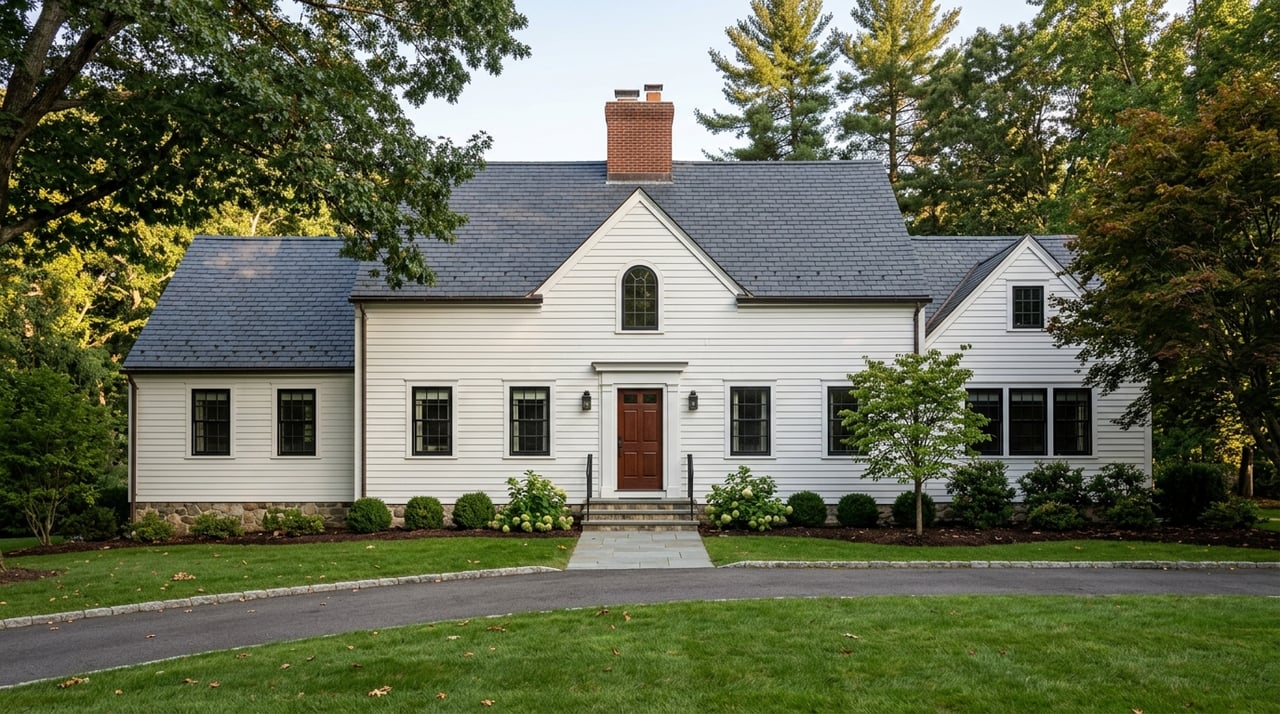
What to Know About Buying a Home in Dover MA
May 7, 2026
May 7, 2026
Thinking about buying in Dover, MA? You are not alone, and you are right to do your homework first. Dover offers space, privacy, and a distinctly rural feel within reach of Boston, but buying here comes with a different set of expectations than in a denser suburb. This guide will help you understand the local housing stock, lot patterns, pricing, and day-to-day ownership realities so you can move forward with confidence. Let’s dive in.
Dover is a small Norfolk County town with a 2024 population estimate of 6,057 and about 15.10 square miles of land area. The town describes itself as rural and open-space oriented, and that character shows up in both the streetscape and the housing market.
This is a place where large lots are common and owner occupancy is the norm. Census QuickFacts show a 97.9% owner-occupied housing rate, along with a median owner-occupied home value of $1,340,300 and median household income above $250,000. In simple terms, Dover is a primarily residential, high-value market where buyers often prioritize land, privacy, and long-term ownership.
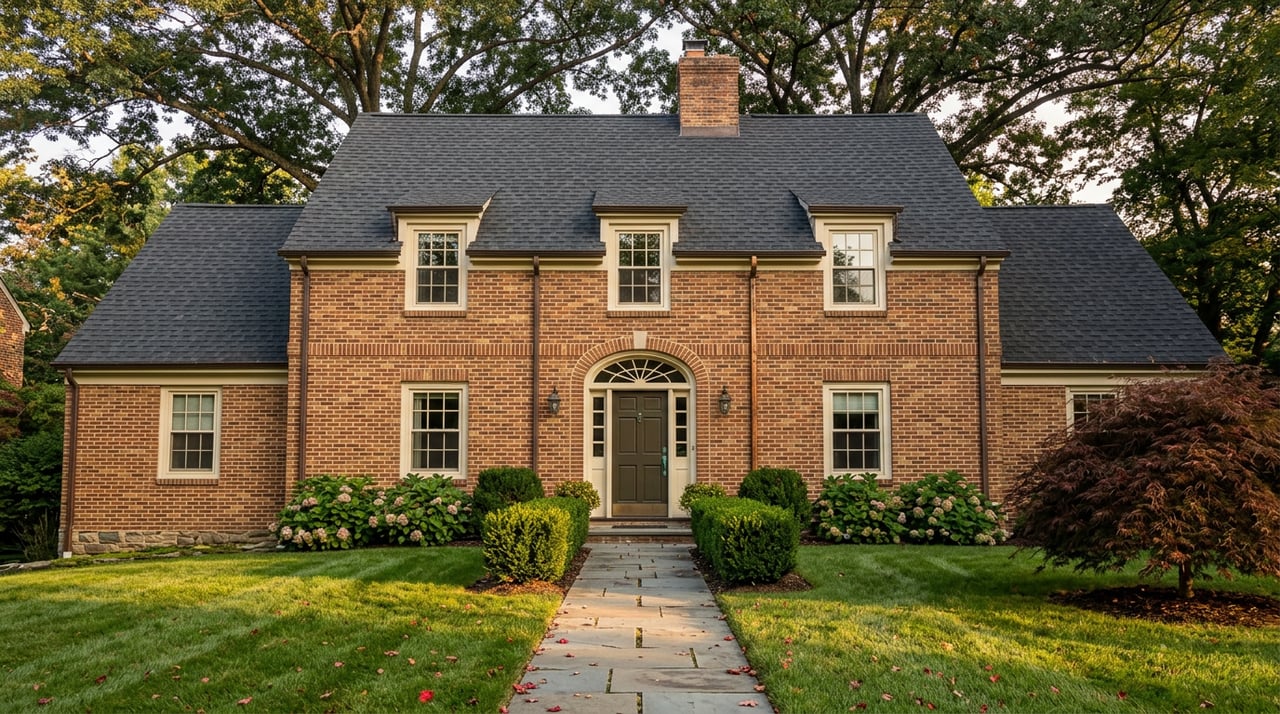
If you are picturing detached New England homes on generous parcels, you are on the right track. Dover’s housing mix leans toward traditional single-family homes, custom Colonials, farmhouses, and estate-style properties rather than denser condo or townhouse development.
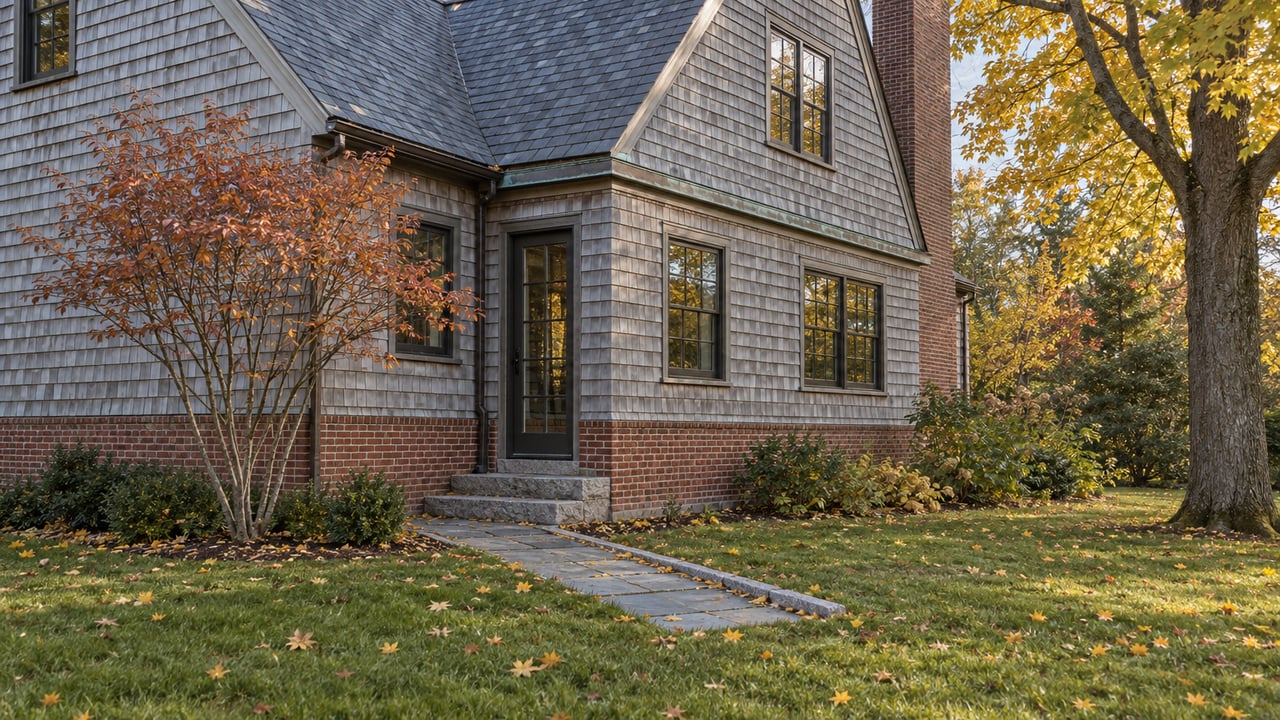
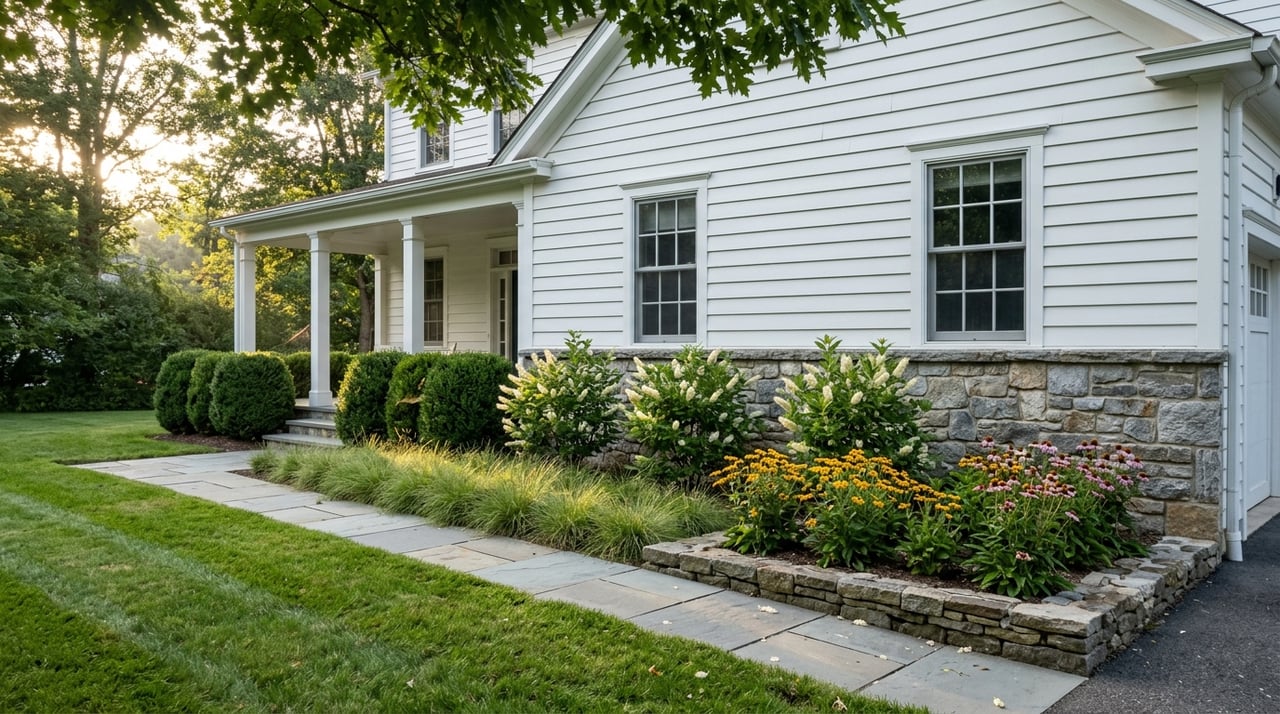
Older homes in town often reflect classic New England forms. Dover’s historic survey points to early houses, side-hall cottages with simple Greek Revival details, Colonial and Federal Revival estates, and later Colonial Revival homes as recurring patterns in the town’s existing housing stock.
That historic character is still visible in the market today. Recent sales have included homes like a 1912 center-entrance Colonial on more than 12 acres, a Colonial on 6 acres, an antique farmhouse on 2.5 acres, and a shingle-style farmhouse on 1.5 acres.
At the same time, Dover is not frozen in the past. New construction is also part of the market, especially at the higher end, with current listings including newer homes in the roughly $3 million to $4 million range.
Because of Dover’s zoning and land-use pattern, you should expect fewer attached housing options than you might see in nearby communities. If your search is focused on condos or townhomes, inventory may be limited compared with towns that allow denser residential development.
For many buyers, that is exactly the appeal. If you want a detached home with breathing room around it, Dover is designed more for that experience.
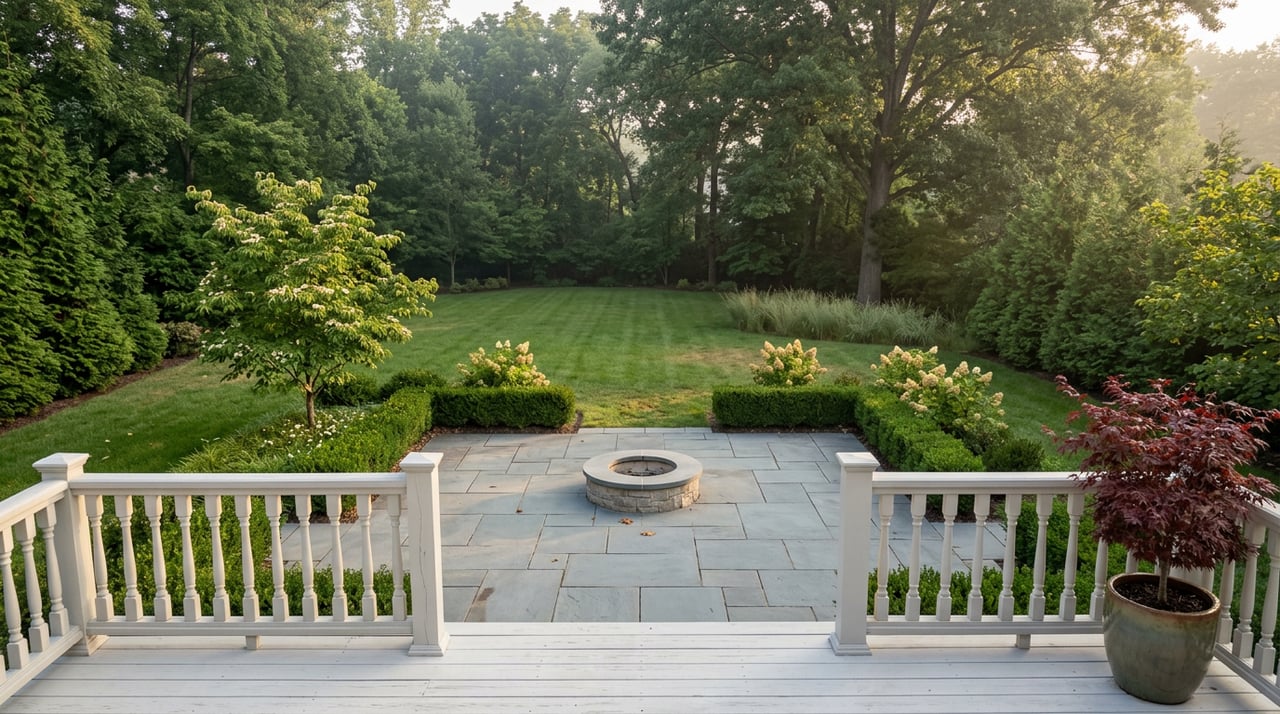
One of the biggest things to understand before buying a home in Dover is that the lot is a major part of the purchase. Residential zoning is built around larger parcels, with minimum lot sizes of 1/2 acre in the R district, 1 acre in R-1, and 2 acres in R-2. Frontage requirements also increase by district, at 100, 150, and 200 feet.
Dover also applies what the town describes as a perfect-square rule for buildable lots. If you are considering land, redevelopment potential, or future changes to a property, that detail matters and should be reviewed carefully as part of your due diligence.
In real life, many properties are larger than the minimums. Current and recent inventory has included homes on around 1 acre, 2.5 acres, 6 acres, 7.67 acres, 12 acres, and even nearly 30 acres.
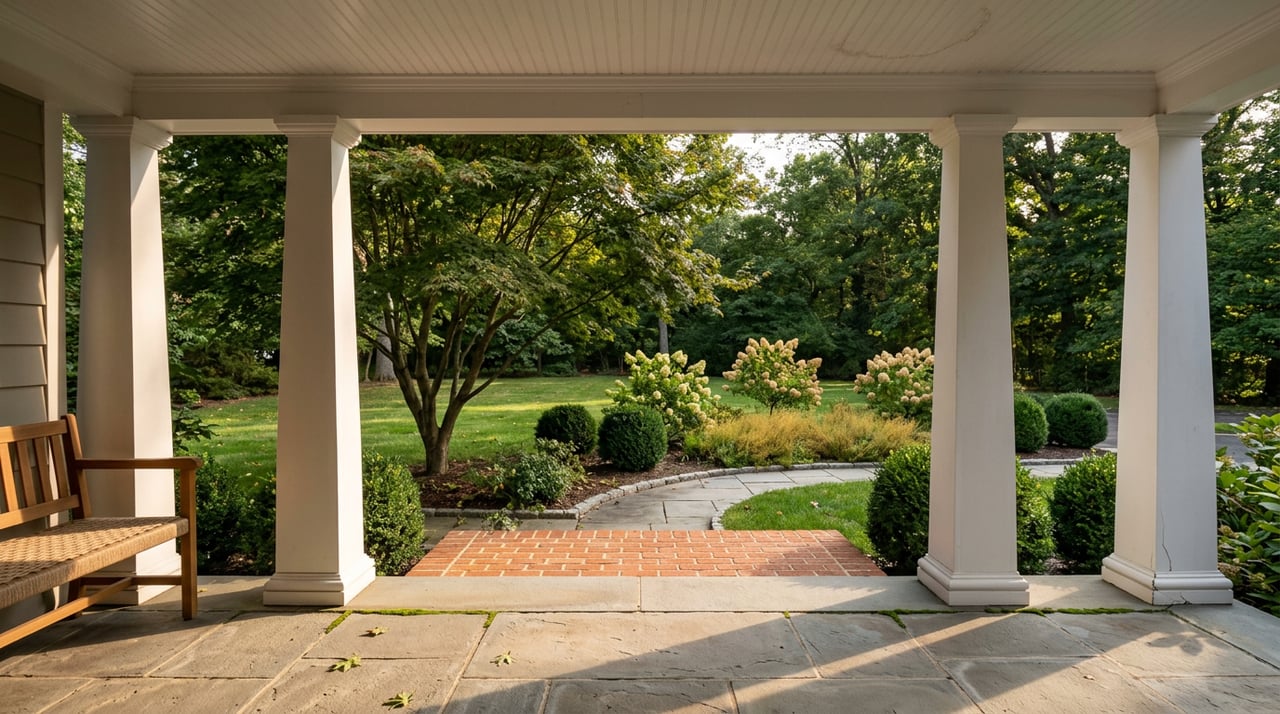
A larger lot can give you more privacy and a stronger sense of separation from neighboring homes. It can also affect how you think about maintenance, landscaping, and property systems.
You may need to evaluate more than just the house itself. The condition and usability of the land, driveway length, drainage, trees, outdoor upkeep, and any private systems can all play a bigger role in Dover than they would on a smaller suburban lot.
Dover’s master plan says about one-third of the town’s land is managed as open space by nonprofits or is naturally constrained. The same plan identifies preserving rural character and groundwater resources as ongoing policy priorities.
For buyers, that helps explain why Dover feels the way it does. The town’s development pattern is shaped by a long-term commitment to open land, lower density, and resource protection.
This can be a real advantage if you want a quieter, more spread-out residential setting. It also means you should not expect the same level of infill development or rapid inventory turnover that you might find in a more built-out suburb.
Dover is a high-price, low-volume market, and that is important to understand from the start. As of April 2026, Realtor.com reported 16 homes for sale in ZIP code 02030, with a median listing price of $2.199 million, a median sold price of $2.435 million, and a median of 31 days on market.
At the same time, monthly numbers can swing sharply because there are so few closings. Redfin’s March 2026 city data reported only 2 homes sold, with a median sale price of $4,027,500 and a median of 127 days on market.
Those figures do not necessarily mean every home takes that long to sell or trades at that level. In a small market like Dover, a handful of sales can move the averages a lot.
Current inventory spans a broad range. Listings have ranged from a $599,000 one-bedroom property up to about $4.3 million new construction, with many active listings clustered between roughly $1.45 million and $4 million.
Recent sales also show a wide spread, from about $1.168 million up to $5.415 million. That mix reflects a market where smaller outliers exist, but larger estate properties have a strong influence on pricing.
Buying in Dover often requires patience because there may simply not be many homes available that match your goals at a given moment. Thin inventory can make the search feel slower, even when demand is steady.
That is why preparation matters. When the right property comes up, you want to be ready to evaluate value quickly, understand how the lot and systems affect the purchase, and decide whether the home fits your lifestyle as well as your budget.
Dover is mostly residential, and the town notes that most commercial, professional, and medical needs are met outside its borders. The town center supports a limited set of daily errands, but this is not a place where most buyers choose for dense retail convenience.
Instead, the appeal is the setting itself. Buyers are often drawn to the space, privacy, and traditional housing stock, knowing that many everyday needs will involve a drive.
Dover says it is about forty minutes from downtown Boston. Census estimates put the mean travel time to work at 34.6 minutes.
That makes Dover workable for many Boston-area buyers, but it is still a car-oriented lifestyle. If you are comparing Dover with a closer-in suburb or a town center with more services nearby, this is one of the tradeoffs to weigh honestly.
This is one of the most important practical differences for Dover buyers. Nearly 70% of residential dwellings are served by private wells, while about 30% are served by Aquarion Water.
If a home has an existing private well, Dover requires water-quality testing before the sale of that house. The Board of Health also regulates private wells and septic systems.
For you as a buyer, this means utility questions should be part of your process early, not an afterthought. You will want to understand what serves the property, what testing or inspections are required, and what ongoing maintenance may come with ownership.
Dover’s water-resources materials note limited water and wastewater infrastructure, along with an active water-restriction bylaw. That means buyers should expect more attention to conservation and private-system upkeep than they might in a fully sewered suburb.
This does not make Dover harder to own, but it does make it different. A home here may ask more of you in terms of awareness, maintenance planning, and comfort with private infrastructure.
Dover tends to be a strong fit if you want a home that offers space, privacy, and a more rural residential environment. It may also appeal to you if you appreciate traditional New England architecture or are looking for a custom or luxury single-family property on a meaningful parcel of land.
It may be less ideal if your top priority is a wide selection of attached housing, easy walkable errands, or a large number of new listings each week. The town offers a very specific lifestyle, and the best results come when your expectations match that reality.
A smart Dover home search usually starts with clarity about your non-negotiables. Think about your ideal lot size, whether you are open to antique homes or prefer newer construction, how much privacy you want, and how comfortable you are with well and septic considerations.
It also helps to evaluate each property as a full package. In Dover, the house, land, utilities, and long-term upkeep are closely connected, so the right buy is not just about square footage or finishes.
If you are weighing Dover against other MetroWest communities, local guidance can help you compare not just price points, but also daily living patterns, inventory realities, and what ownership really looks like from town to town.
If you are considering buying in Dover or comparing it with other MetroWest towns, Edith Paley can help you navigate the search with clear guidance, responsive communication, and local insight tailored to your goals.
Stay up to date on the latest real estate trends.
Edith will be your advocate. Whether buying or selling or both, she will work tirelessly to promote your best interests. When orchestrating deals, Edith is assertive and effective without being too aggressive.