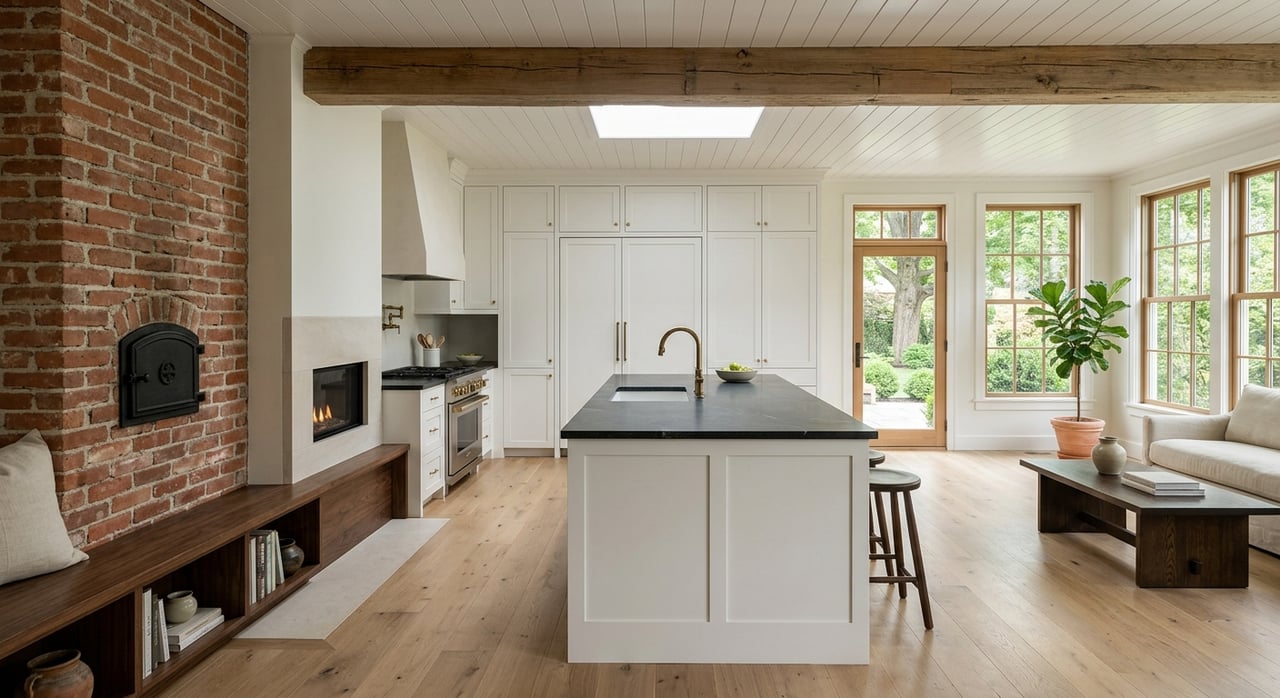
Concord MA Historic Homes: A Guide for Modern Living
May 14, 2026
May 14, 2026
If you are drawn to Concord, chances are you are not looking for a cookie-cutter home. You are looking for character, a real sense of place, and a house that feels connected to the town around it. The good news is that Concord offers exactly that, but it also asks you to think carefully about updates, approvals, and long-term maintenance. This guide will help you understand how Concord’s historic homes fit with modern living, so you can make smart, confident decisions. Let’s dive in.
Concord is one of Massachusetts’ oldest inland settlements, incorporated in 1635, and the town treats its historic housing stock as part of its identity. That history is not tucked away in one small corner. It shows up across village centers, rural roads, and established neighborhoods where architecture and landscape still shape the daily experience of living there.
Concord also is not just one type of housing market. In practical terms, you are choosing among several distinct historic settings, each with its own feel and tradeoffs. That matters whether you are buying your first older home, moving up, or trying to decide if a newer option would fit your lifestyle better.
Concord has six local historic districts:
These districts help explain why Concord homes can feel so varied from one area to the next. The town’s preservation goals emphasize architectural diversity, open settings, stone walls, and important view corridors, rather than a more uniform suburban pattern.
Near Concord Center, you will find a denser village setting with buildings closer together. In areas like American Mile and Lexington Road, the setting is more open and rural in character. West Concord has its own village identity that developed around the depot in the late 19th and early 20th centuries.
For buyers, that means your day-to-day living experience can differ a lot even within the same town. One area may feel walkable and close-knit, while another feels more pastoral and spread out. Neither is better in a universal sense. It depends on the lifestyle you want.
Concord’s historic district guidance references several architectural styles that appear regularly in town. These include Colonial, Georgian, Federal, Greek Revival, Italianate, Queen Anne, Shingle, and Colonial Revival homes.
That variety is part of the appeal. If you love period details, you may find multi-era streetscapes instead of a single repeated look. It also means renovations need a more tailored approach, because what makes sense for one style may not work for another.
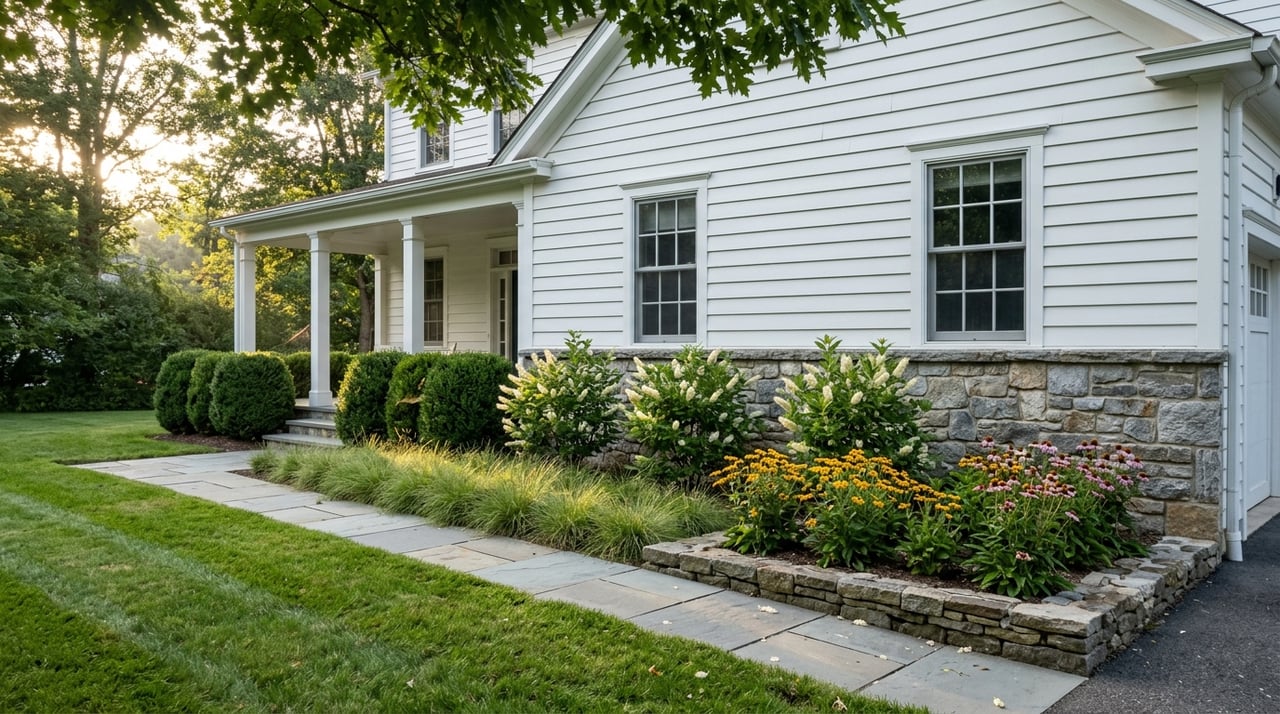
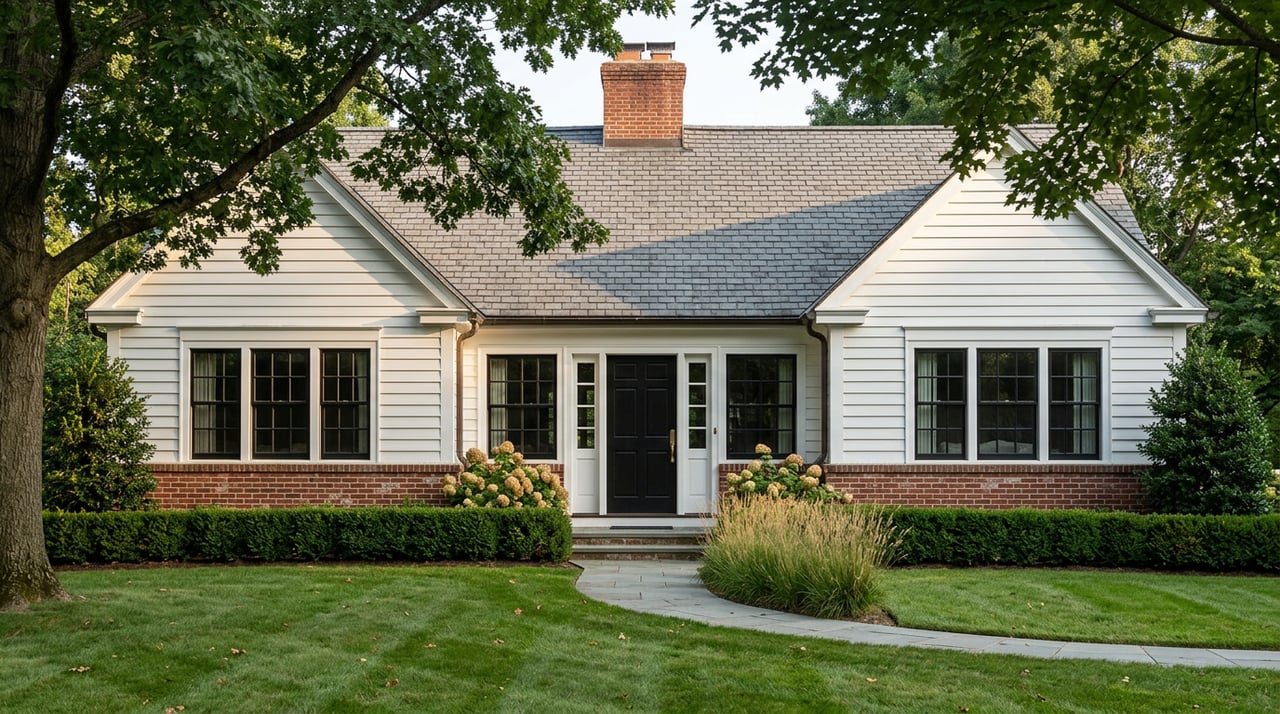
Older homes in Concord can absolutely support modern living, but they are usually not low-thought properties. You may get timeless curb appeal, mature landscaping, and unique architectural details, but you should also expect more planning around upkeep and improvements.
The town makes an important distinction here. Ordinary maintenance and repair are allowed, but certain visible exterior changes within historic districts may require review. That is often where buyers and sellers need the clearest expectations.
In Concord’s historic districts, the Historic Districts Commission has jurisdiction over exterior architectural features visible from public ways, exterior color changes, demolition or removal, and signs. The Commission looks at whether an exterior change is appropriate for the district.
Just as important, the Commission does not base its review on privacy or convenience. So if you are planning updates, it helps to think less in terms of what is easiest and more in terms of how the change will look within the house’s historic context.
When you are evaluating a Concord historic home, a few renovation categories tend to come up again and again. These are the areas where your future plans should match the town’s guidance from the start.
Concord’s guidelines say historic windows should be retained and repaired whenever possible. Replacement is considered a last resort. If replacement cannot be avoided, the town prefers all-wood windows with dimensions and details that closely match the originals.
Vinyl, aluminum, and metal-clad replacements are generally discouraged in the historic districts. For buyers, that means window projects may cost more than a standard suburban replacement plan. For sellers, original or well-matched windows can be an important part of the home’s value story.
The town prefers retaining original siding and repairing damaged material when possible. Materials that closely duplicate the historic appearance are favored, including wood clapboard, shingles, brick, and some stonework.
Vinyl and aluminum siding are not considered appropriate in the historic districts. If you are comparing homes, exterior material choices can tell you a lot about how carefully the house has been updated over time.
You can modernize and expand an older home in Concord, but additions should remain secondary to the original structure. The guidance says additions should be differentiated from the historic house, set back or placed where they are least visible, and designed so the original home still reads as the dominant element.
This is a key point if you want a larger kitchen, mudroom, family room, or primary suite. A project may be possible, but the most successful plans usually work with the home’s scale and visibility rather than trying to overpower it.
Concord’s guidance supports the idea that preservation and sustainability can work together. Solar panels are generally expected to be parallel to the roof plane and located where they are not visible from public ways. The town also considers glare, visual impact, and whether installation would permanently alter historic materials.
That approach reflects a broader local priority. Concord says retrofitting historic homes can reduce demolition waste, preserve materials, lower embodied carbon, and often cost less than rebuilding.
In Concord, retrofit planning is not a niche issue. The town estimates that about 1,260 homes, or 14% of Concord’s total buildings, are in historic districts or are subject to the demolition-review bylaw.
That scale helps explain why buyers should not think of preservation as the opposite of modern living. In Concord, careful rehabilitation is often framed as the most appropriate path, especially when you want comfort, efficiency, and long-term livability without losing the home’s defining character.
If you are buying an older Concord home, the inspection phase is only part of the picture. You also want to understand the regulatory and infrastructure context before you fall in love with a renovation idea that may be harder to execute than expected.
A few questions can save you time, money, and stress.
Start by confirming whether the property is in one of Concord’s local historic districts. That can affect what kinds of exterior work may require review and how future changes should be planned.
If the home is in a district, ask early about any prior approvals, visible exterior changes, or unfinished plans. This can help you understand whether the home’s current condition lines up with local guidance.
Homes built before 1978 may contain lead-based paint, and the older the home, the more likely it is to have it. In Massachusetts, lead hazards must be removed or covered in homes built before 1978 when children under age 6 live there, and the state requires lead-safe renovation practices for qualifying pre-1978 work.
This matters most around windows, doors, porches, and other friction surfaces. If you are budgeting for updates, lead history and likely remediation costs should be part of your planning from day one.
Major alterations still go through Concord’s building and zoning systems. The town’s Building Division enforces the Massachusetts Building Code along with electrical, plumbing, and gas codes, and land use is also regulated by local zoning bylaws and state law.
In other words, historic review is only one layer. Depending on the project, you may also need to account for standard building, zoning, and code requirements.
Concord’s housing plan says 72.4% of the housing stock is single-family, while only 35% of the town population has access to town sewer. Large parts of town are also constrained by flood zones, wetlands, or permanently protected open space.
For buyers, this helps explain why development patterns vary and why infrastructure questions matter. A home’s location can influence not just lifestyle, but also future expansion potential and utility considerations.
If you love Concord but want less maintenance, newer finishes, or attached living, you are not limited to the deepest historic streets. Concord’s planning documents show that denser and newer housing options tend to cluster where infrastructure and transit already exist.
This is especially useful if you want a condo, townhome-style property, or a lower-maintenance setup that still keeps you connected to town amenities.
Concord’s housing plan identifies Concord Center, the Thoreau Depot Business District, and the West Concord Depot area as places where sidewalks, bike lanes, and public transportation already exist. The plan also identifies the Thoreau Depot, West Concord Village, West Concord Business, and Concord Center Business districts as smart-growth, transit-oriented redevelopment locations because they are near commuter rail stations.
In 2024, Concord also adopted an MBTA Communities multi-family overlay district with five subdistricts where multi-family zoning is allowed by right. For many buyers, these are the logical starting points if you want something newer or more compact.
West Concord is especially important in the town’s newer housing conversation. The town describes it as a separate village with a distinct late-19th- and early-20th-century identity, along with more latitude for new construction when design remains respectful of scale, context, and traditional development patterns.
Concord’s housing plan also points to pipeline and redevelopment areas such as Junction Village, Assabet River Bluff, 740 Elm Street, 2229 Main Street, Lalli Woods, Elm Brook, and Walden Homes. The key takeaway is simple: newer housing is concentrated in identifiable pockets, not spread evenly across town.
For many buyers, the real decision is not whether one option is better. It is whether the tradeoffs match your priorities. Concord gives you choices, but the right fit depends on how you want to live.
Here is a simple way to think about it:
| If you want... | You may prefer... |
|---|---|
| Architectural character and preserved setting | A historic home in one of Concord’s district areas |
| Simpler exterior updates | A home outside the most regulated historic settings |
| Lower-maintenance living | A condo, townhome, or newer attached option near village centers |
| Walkable access to transit and services | Concord Center, Thoreau Depot, or West Concord village areas |
| Space and a more rural feel | Farm-district or open-setting areas |
The best choice is usually the one that fits your renovation appetite, budget, and timeline. If you know upfront how much flexibility you need, you can narrow your search much faster.
If you own a historic or older home in Concord, your property may appeal strongly to buyers who want authenticity and a real connection to place. Features like original materials, thoughtful updates, preserved sightlines, and a setting that fits the district can all help your home stand out.
At the same time, buyers will want clarity. Sellers are often best served by organizing records around prior work, approvals, maintenance history, lead documentation, and any known infrastructure details before going to market. Clear information builds confidence and can help smooth negotiations.
Concord’s historic homes are not simply old houses with charm. They are part of a carefully managed preservation landscape that still has to support daily life, energy improvements, and evolving housing needs. Once you understand that balance, the market starts to make much more sense.
Whether you are drawn to a period home near the village center or a newer option near transit, your advantage comes from knowing which compromises are normal, which approvals are likely, and where different housing types tend to cluster. If you want local guidance as you weigh older homes, newer options, or a future sale in Concord, connect with Edith Paley for thoughtful, hands-on support.
Stay up to date on the latest real estate trends.
Edith will be your advocate. Whether buying or selling or both, she will work tirelessly to promote your best interests. When orchestrating deals, Edith is assertive and effective without being too aggressive.