Thinking about moving to Lexington but not sure where to start? You are not alone. From historic hills near the Battle Green to mid-century modern enclaves tucked into the woods, each pocket of Lexington offers a distinct feel and set of trade-offs. In this guide, you will learn how the town is organized, what home styles you will see, how prices typically break down, and what to consider for schools and commuting. Let’s dive in.
Quick market snapshot
Lexington sits about 10 to 11 miles northwest of Boston, placing you within greater Boston’s job centers while offering a classic suburban setting with deep Revolutionary history. Inventory trends vary by season and by product type, but single-family homes dominate supply. Condos and townhomes exist and remain the most common lower-cost entry into Lexington, though prices are still well above many nearby suburbs.
Different data vendors report different medians due to methodology. As a quick frame: Zillow’s home value index for Lexington is around $1.52M, Redfin’s recent median sale is about $1.69M, and Realtor.com’s median listing is roughly $2.68M. Vendor medians often diverge because each looks at a different slice of the market; confirm today’s numbers via active MLS searches and on-the-ground comps.
If you like to anchor neighborhoods to an official map, the town’s assessor provides a neighborhood and parcel reference that helps align names to locations. You can view that on the Town of Lexington neighborhood map.
How Lexington’s neighborhoods break down
Lexington is best understood in four practical clusters that reflect architecture, lot patterns, and access.
Central: Lexington Center, Meriam Hill, Munroe Hill, Prospect Hill
- What you will feel: walkable to shops, dining, events, the Battle Green, and the Minuteman Commuter Bikeway. Streets showcase late-19th and early-20th-century architecture with many renovated homes and high-end new construction.
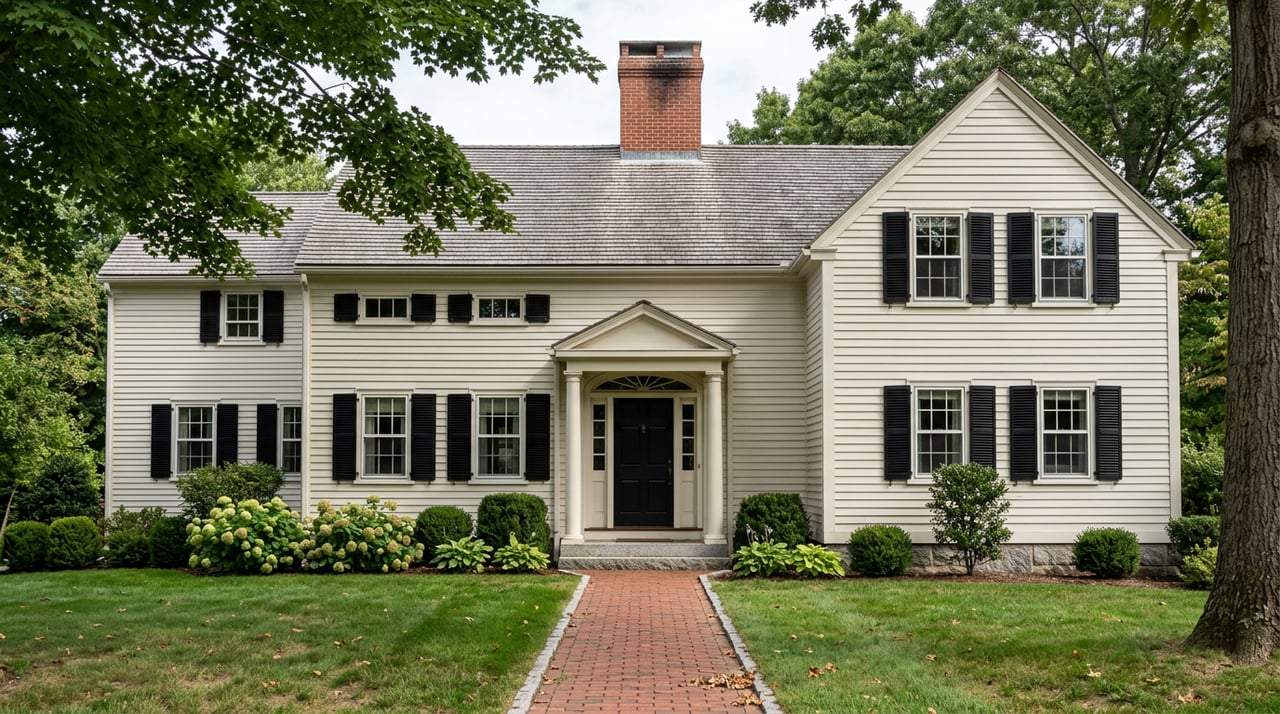
- Housing mix: larger historic homes, architect-designed residences, and updated period properties. Meriam Hill and Munroe Hill feature many prominent Colonial and Shingle-era homes on notable lots.
- Price context: central areas often trade in the highest bands for proximity and architectural character. Many homes exceed $1.5M and select properties reach $2M to $3M or more.
East Lexington: mid-century modern enclaves
- Neighborhoods: Peacock Farm, Five Fields, Six Moon Hill, Turning Mill.
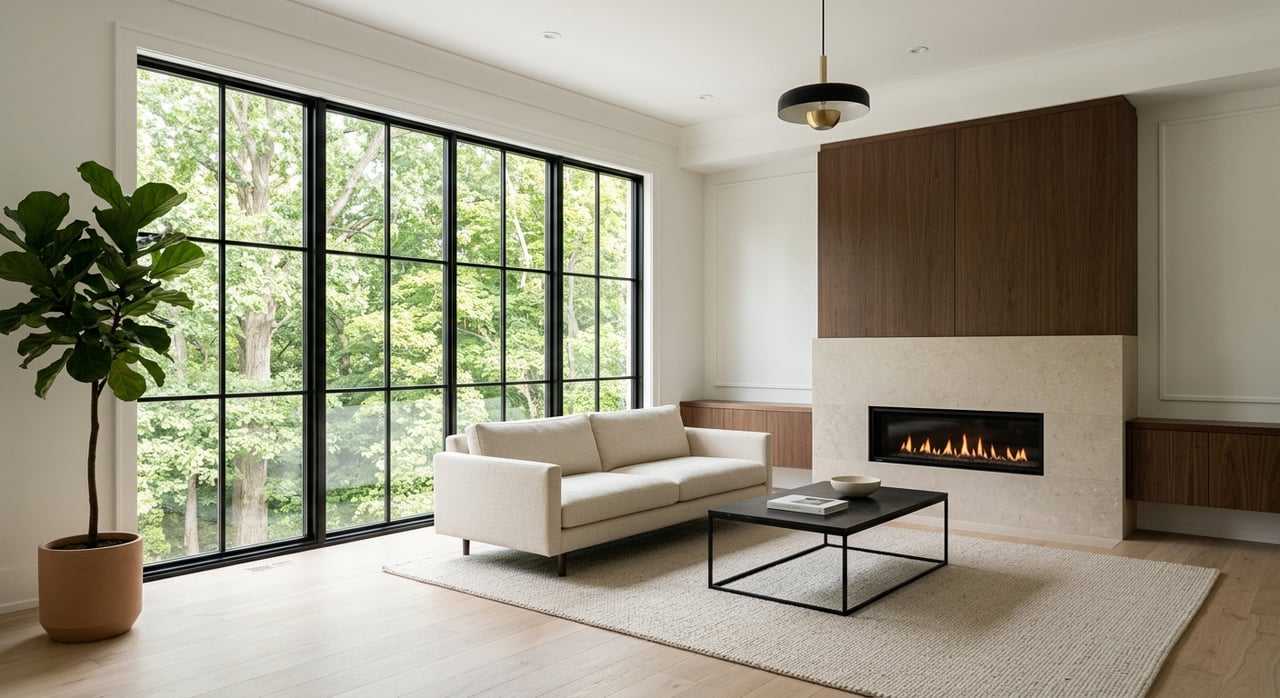
- What you will feel: postwar modernism set into natural terrain; low-pitched roofs, glassy façades, and post-and-beam details. Some areas include shared land, pools, or community amenities.
- Price context: values vary by condition and upgrades. Thoughtful restorations and sensitive updates tend to command premiums in these design-focused streets.
Southeast and larger-lot pockets: Pheasant Brook Estates, Countryside, Burnham Farms, Idylwilde
- What you will feel: wooded settings, larger lots, and later 20th-century construction alongside sizable contemporary homes.
- Housing mix: larger footprints and yard space with privacy; many homes present recent updates or expansive layouts.
- Price context: commonly in higher tiers of the town’s market, with select homes entering luxury bands.
North Lexington and the Manor area
- What you will feel: a classic suburban feel with many late 20th-century subdivisions and compact-lot pockets near Route 128 and Hanscom Field.
- Housing mix: a broader mix of price points compared with the central historic hills, including smaller-lot single-family homes.
- Commute note: quick access to Route 128 and Route 2 can be a draw for commuters heading to employment hubs around the beltway.
The home styles you will see
You will find a wide architectural range across Lexington. Here is a short field guide to help you read listings faster.
Colonial and Colonial Revival
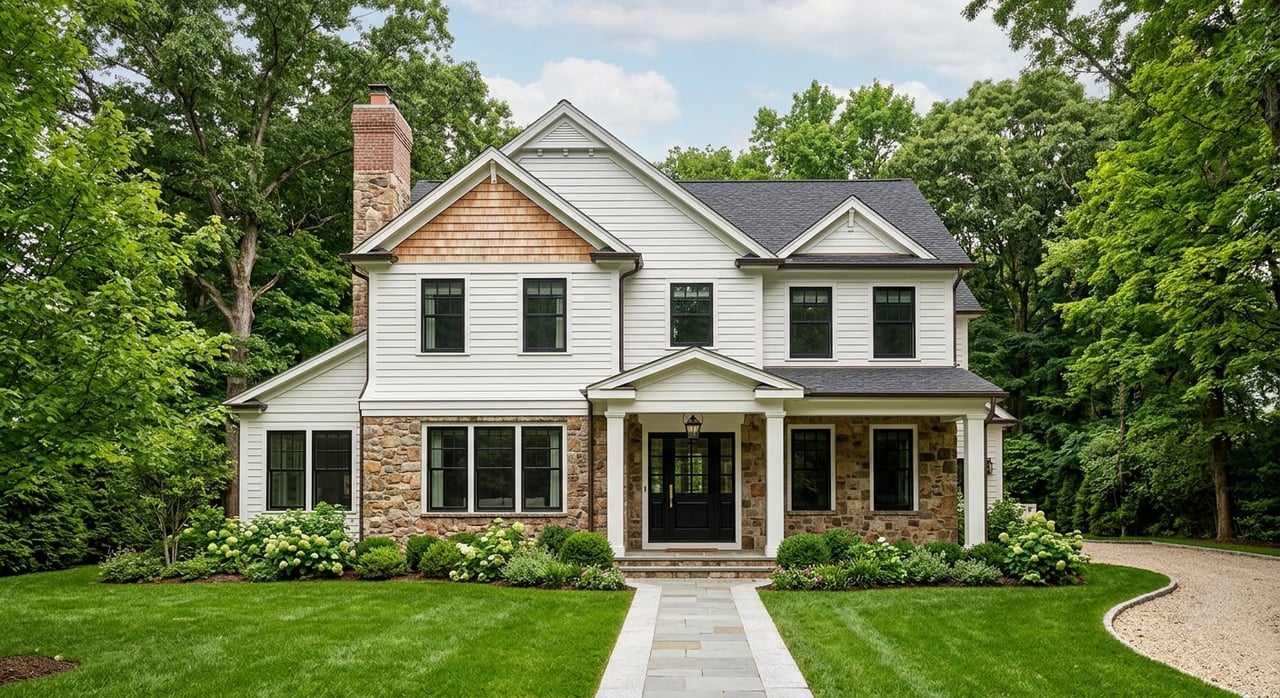
Common across the central hills and many older streets. Expect symmetrical façades, center halls, and formal proportions. In Meriam and Munroe Hill, many homes are large, with period details and thoughtful updates.
Shingle, Victorian, and Queen Anne
These late-19th and early-20th-century homes cluster near the historic center, with craftsmanship and character that town history resources often highlight. Learn more about local development eras from the town’s history and suburbanization page.
Capes, Ranches, and Split-levels
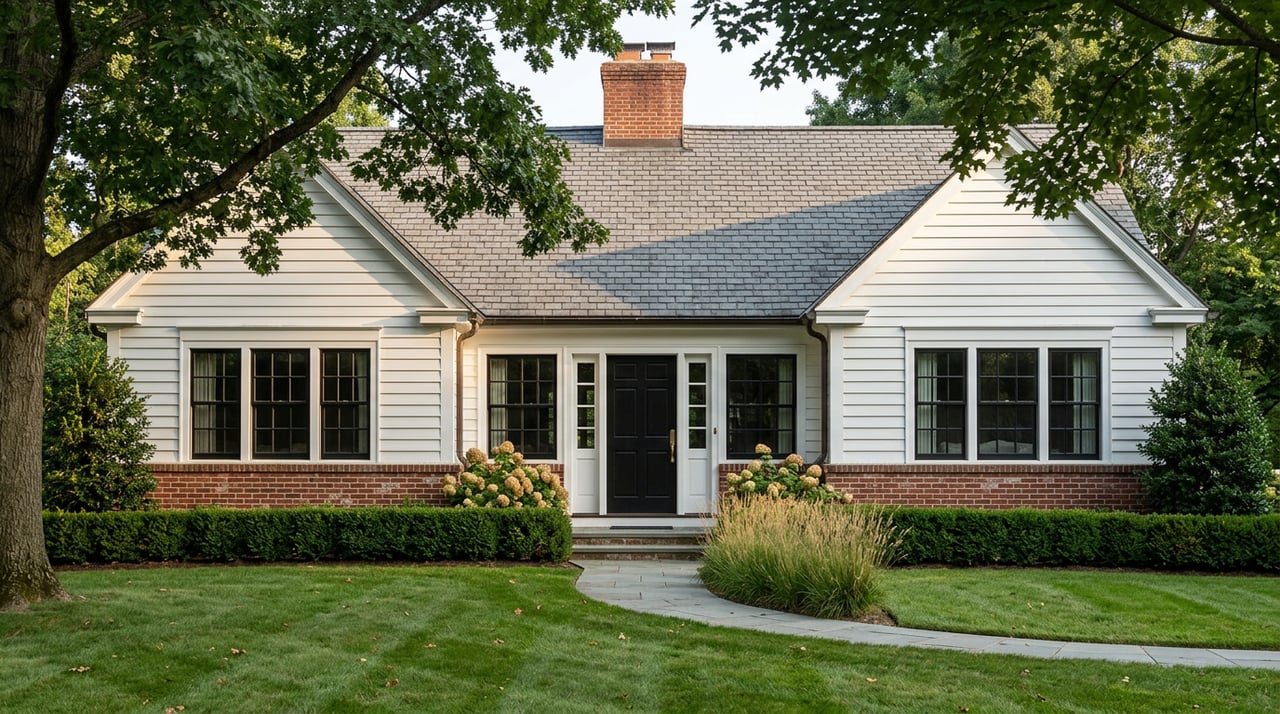
Built mainly between the 1930s and 1970s, these appear in many mid-century subdivisions and on the fringes of older neighborhoods. Buyers often expand or renovate these homes; in some cases, they become sites for new infill construction subject to local review.
Mid-century Modern
Neighborhoods such as Peacock Farm and Turning Mill / Middle Ridge are known for modernist design, including low or butterfly roofs, ribbon windows, open plans, and site-sensitive placement on New England terrain. These areas are recognized in architectural surveys and, in some cases, have neighborhood conservation considerations.
Contemporary new construction and architect-designed infill
You will see more new builds and larger custom homes in high-demand pockets, often replacing smaller homes where zoning allows. Recent local policy discussions encourage more site-sensitive and smaller options; see this local coverage of Article 33 for context on how rules may shape future infill and multi-unit proposals (LexObserver reporting).
Price ranges by product type
Use these ranges as a starting point; final value depends on location, lot size, condition, and updates. Always confirm with active MLS data.
- Condos and townhomes: one-bedrooms often start in the high $400Ks to $700Ks; larger units and luxury townhomes can reach $1M or more.
- Entry-level single-family: true starter homes are rare; smaller or more modest houses often start around the low to mid $1M range.
- Typical single-family band: many single-family sales fall in the $1.25M to $2.5M range; fully updated central-hill homes or newer construction often exceed $2M.
- Higher-end pockets: parts of Munroe Hill, Meriam Hill, Pheasant Brook Estates, and Countryside frequently trade in the $2M to $4M-plus tier for larger lots, historic estates, or newer luxury builds.
Vendor medians differ because each platform measures a different slice of the market. If you see a single-number median, ask which metric it represents: listing median, sale median, or an index estimate.
Schools and commuting: what to know
Schools
Lexington Public Schools include six elementary schools, two middle schools, and Lexington High School. Attendance is address-specific and can change as the district manages capacity. Always confirm your exact school assignment with Lexington Public Schools before you finalize a home search or offer.
Commuting and transit
- Biking and the Red Line: The Minuteman Commuter Bikeway links Lexington to Alewife, the Red Line terminus, which many residents use for bike-plus-transit commutes. Explore the route and access points on the Minuteman Commuter Bikeway page.
- MBTA buses: Lexington is served by MBTA bus routes, including 62 and 76 with connections to Alewife and Lincoln Laboratory, and route 78 with limited Lexington stops. Schedules change at times, so check the town’s MBTA and transit page for current details.
- Driving: If you prioritize highway access, neighborhoods near Route 128 and Route 2 offer a time advantage. Central areas trade quick highway entry for short trips to Lexington Center and direct access to the bikeway or Alewife by bus or bike.
Where to focus your search
Match your lifestyle to neighborhoods, then refine by budget and home style.
- Walkable and close to town amenities: Lexington Center, Meriam Hill, and Prospect Hill. You get events, shops, and easy access to the Minuteman Commuter Bikeway.
- Design-forward homes: Peacock Farm, Five Fields, Six Moon Hill, and Turning Mill if you love mid-century modern architecture and cohesive neighborhood identity.
- Larger lots and more privacy: Pheasant Brook Estates, Countryside, and Burnham Farms often feature generous yards and later 20th-century or newer homes.
- Faster highway access: North Lexington and the Manor area can offer a streamlined drive to Route 128 and Route 2.
- Condo-first approach: If you want a lower-cost entry into town, start with condo and townhouse listings. Inventory can move fast, so set alerts and be ready to act.
Renovation rules and planning notes
- Neighborhood Conservation Districts: Turning Mill has an NCD that guides exterior changes to preserve its modernist character. If you plan a remodel in or near conservation areas, review local requirements early. Learn about Turning Mill’s context here.
- Historic and demolition-delay considerations: Some properties may be subject to historic review or demolition delays. These can affect additions, exterior updates, or tear-down plans.
- Evolving zoning and infill: The town has been refining bylaws to encourage site-sensitive development and explore smaller multi-unit solutions. For a recent example, see local reporting on Article 33.
Before you offer on a home that needs work, confirm permitting paths and any overlay districts with the town. Factor timelines, reviews, and potential design guidelines into your offer strategy.
Your next step
If Lexington is on your shortlist, a tailored search strategy will save you time and help you move quickly when the right home appears. You will benefit from local comps, neighborhood-by-neighborhood insights, and a plan for schools and commuting. Have questions or want a personalized game plan? Reach out to Edith Paley for one-on-one guidance. If you are a homeowner considering a move, you can also request a free, data-backed pricing review to plan your sale with confidence.
FAQs
What are the main Lexington neighborhoods and how do they differ?
- Central hills near the Battle Green offer walkability and historic homes; East Lexington features mid-century modern enclaves; southeastern pockets have larger lots and later builds; northern areas near Route 128 provide convenient highway access.
Which home styles are most common in Lexington MA?
- You will see Colonial and Colonial Revival across many streets, Shingle and Victorian near the center, mid-century Capes and Ranches in subdivisions, modernist homes in areas like Peacock Farm, and contemporary new construction throughout select pockets.
How much do homes cost in Lexington MA right now?
- Many single-family homes trade between roughly $1.25M and $2.5M, with higher-end properties reaching $2M to $4M-plus; condos often start in the high $400Ks and can exceed $1M for larger or luxury units.
How does school assignment work in Lexington?
- Attendance is address-specific and can shift with capacity management; always verify your exact school assignment with Lexington Public Schools before submitting an offer.
What are the commuting options from Lexington MA?
Are there renovation restrictions in Lexington neighborhoods?
- Certain areas have historic or conservation protections that can affect exterior changes and demolitions; Turning Mill has an NCD, and some homes may face demolition-delay reviews, so confirm rules with the town before planning work.