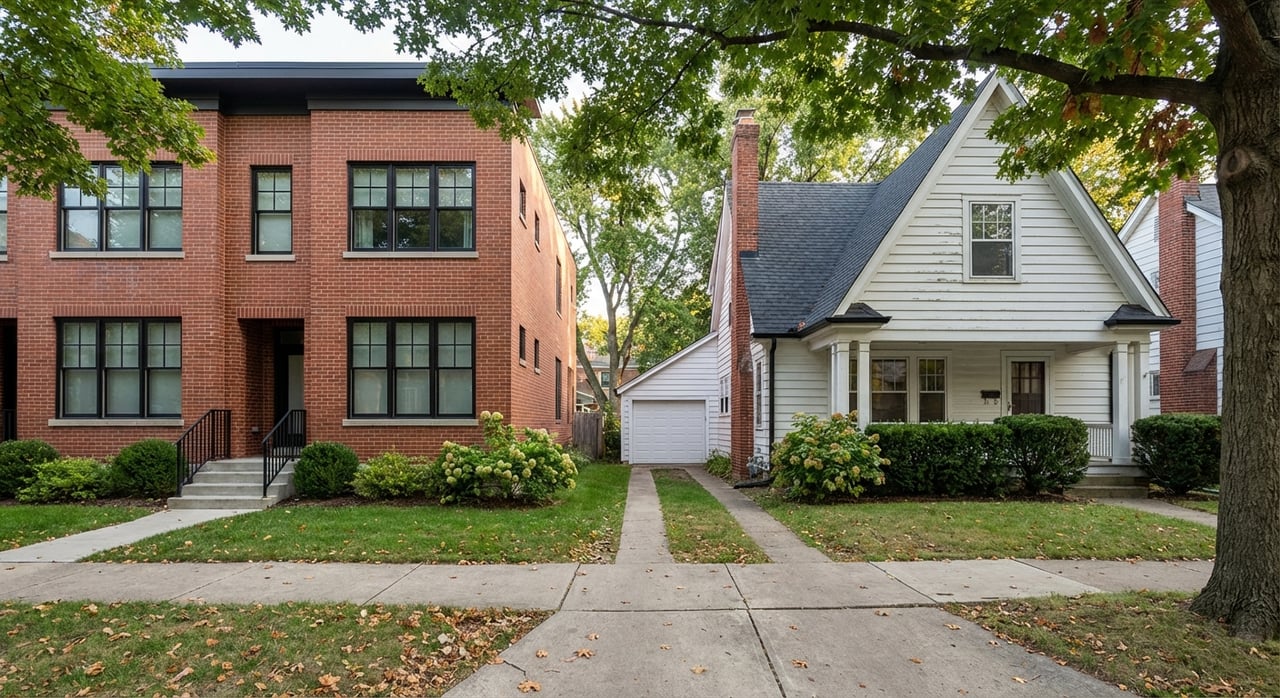
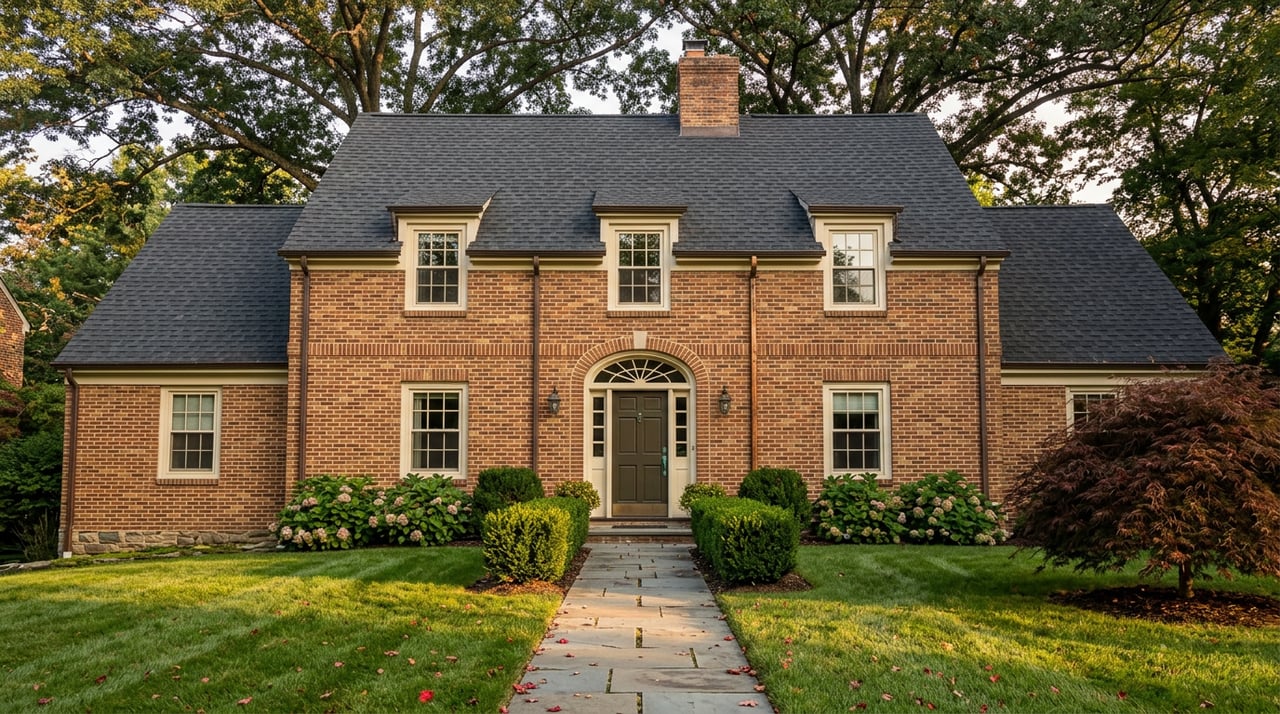
Choosing between a Natick condo and a single-family house for your first home can feel like two good options pulling in different directions. You want a smart monthly payment, a solid long-term move, and a lifestyle that fits the way you live. In this guide, you’ll see a clear, local comparison of costs, commute and daily life tradeoffs, plus a quick checklist to help you pick with confidence. Let’s dive in.
Natick market snapshot
Prices in Natick remain strong, with different data sources showing some variation. Local coverage has condo medians around the mid to upper six hundreds. For example, a mid‑2025 report cited a Natick condo median near about $725,000. You will see single‑family medians commonly in the one to 1.2 million range depending on the month and neighborhood mix. Inventory can be tight, so well-priced homes still move.
Zooming out, the Boston metro showed positive year‑over‑year price gains in early 2025. The S&P CoreLogic Case‑Shiller reading pointed to several percent annual appreciation for the region, which supports the view that a typical Natick buyer can plan for steady conditions rather than sharp swings. Micro‑markets and property types can differ, so focus on the comps for the exact condo association or neighborhood you like.
What will it cost each month?
Below is a simple side‑by‑side using local price points and a current headline mortgage rate. Use it to frame your budget, then refine with your lender and the actual condo resale package or house disclosures.
Key inputs used for the example:
- Condo price example: $725,000.
- Single‑family price example: $1,117,500.
- Down payment: 10% in both examples.
- Mortgage rate: about 6.11% for a 30‑year fixed (weekly Freddie Mac PMMS).
- Natick FY2026 tax rate: $12.17 per $1,000 of assessed value.
Sources: Current mortgage rate snapshot and Natick tax rate history.
Condo example (estimates)
- Principal and interest on $652,500 loan (30‑yr at ~6.11%): about $3,958 per month.
- Property tax: roughly $8,823 per year based on the quick formula, about $735 per month. Actual assessed value can differ.
- HOA dues: sample placeholder $400 per month. Dues vary widely by building and what is included.
- Condo insurance (HO‑6): often a few hundred dollars per year in Massachusetts. Get a local quote.
Total snapshot: about $5,130 per month for P&I, taxes, HOA and a modest condo policy estimate. Your exact number will change with dues, inclusions and your rate.
Single‑family example (estimates)
- Principal and interest on $1,005,750 loan (30‑yr at ~6.11%): about $6,101 per month.
- Property tax: roughly $13,600 per year, about $1,133 per month.
- Maintenance reserve: a practical rule of thumb is about 1% of home value per year. That is roughly $931 per month here.
- Homeowner insurance: typically higher than a condo policy. Get quotes for accuracy.
Total snapshot: about $8,165 per month for P&I, taxes and a basic maintenance reserve, not including homeowner insurance.
Tip: Always compare a condo’s P&I + taxes + HOA + HO‑6 against a house’s P&I + taxes + homeowner insurance + a maintenance reserve. This apples‑to‑apples view helps you see the true monthly.
Condos in Natick: benefits and cautions
Why condos can fit a first home
- Lower headline purchase price compared with many single‑family homes in town. That can reduce cash to close and make monthly payments more manageable.
- Less exterior upkeep. Associations handle roof, siding, common areas and often landscaping and snow removal.
- Walkability and transit access. Many Natick condos cluster near Natick Center or West Natick stations. Commuter rail to Boston’s South Station often runs about 40 to 45 minutes, depending on the train. Check the Town of Natick transit page for details.
What to check in the HOA
- Ask early for the complete resale package. Review the current budget, reserve study, meeting minutes, insurance certificate with deductible, special assessments, rules on rentals and the owner‑occupancy percentage. Guidance from community‑association experts stresses reading these items closely. See an overview of the must‑have docs from the Community Associations Institute.
- Look for potential cost pressure. Rising insurance premiums or large capital projects can push dues higher or trigger special assessments. Ask for recent dues history, delinquencies and upcoming projects.
- Understand what your dues include. Heat, hot water, water, sewer and trash vary by building. What is included will change your monthly.
Financing and resale limits that matter
Some condo projects have limits that affect financing and resale. Lenders and agencies look at owner‑occupancy, reserves, investor concentration, developer control and litigation. If a project does not meet standards, certain loans may be harder or costlier, which can narrow the future buyer pool. Learn how project standards work in Fannie Mae’s condo project guidance.
Single‑family homes: benefits and cautions
Why a house may suit you
- Space and control. You set the rules on paint colors, pets, outdoor space and improvements.
- Land value and long‑term potential. In many suburban markets, land often carries a strong share of value, which can support long‑term appreciation. Results can vary by street and home style.
- Parking and storage. Garages, sheds and basements can make daily life simpler, especially if you have hobbies or need gear space.
Plan for upkeep and taxes
- Budget for maintenance. A simple planning rule is about 1% of home value per year. Older or larger homes can need more. Spread this into a monthly reserve so surprises do not hurt.
- Track property taxes. Use the town’s tax rate to estimate a bill, then confirm the assessed value that will apply after purchase. Start with the Natick tax rate page and ask your agent for recent bills on similar homes.
- Insurance and utilities. A full homeowner policy generally costs more than a condo HO‑6. Ask for a 12‑month utility history to understand the true monthly.
Commute, lifestyle and location tradeoffs
If you plan to ride the commuter rail, being near Natick Center or West Natick can make a big difference. Typical rail time to South Station is around 40 to 45 minutes with schedule and train type variation. See current options on the Town of Natick transit page.
For errands and weekends, many buyers like being close to downtown Natick or the Golden Triangle retail area. That is where you find a wide range of shops and services. If outdoor space, gardening or a private patio are top priorities, a single‑family neighborhood may fit better.
If you are thinking long term, many buyers review official information from Natick Public Schools. School assignments and potential future needs can influence which streets or neighborhoods you consider. Keep the language neutral and focus on verified sources.
How to decide: a quick first‑time buyer checklist
Use this short list to move from browsing to clarity:
- Get pre‑approved and set a true monthly ceiling. Confirm rate, down payment and estimated PMI if applicable. A current headline rate is a good starting point, but your number depends on your file. See a recent rate snapshot.
- If you are condo‑curious, request the full resale package before you offer. Review budget, reserves, minutes, insurance, special assessments, rental rules and owner‑occupancy. Start with this condo due‑diligence guide.
- Ask your lender to check project eligibility. Agency standards can affect loan options and future resale. See Fannie Mae’s project standards.
- Compare total monthly costs the same way every time. For a condo: P&I + taxes + HOA + HO‑6. For a house: P&I + taxes + homeowner insurance + a maintenance reserve. For HOA context and reserves, review this consumer guide on HOA fees.
- For houses, gather a 12‑month utility history and contractor invoices for roof, HVAC, windows and major systems. Use the 1% per year maintenance rule as a starting point.
- Explore down payment help early. Massachusetts buyers can benefit from programs that reduce cash to close. See MassHousing’s down payment assistance overview.
The bottom line
If your top priorities are walkability, a lower price of entry and less exterior upkeep, a Natick condo near the commuter rail is a logical first stop. If you want a yard, maximum control and more long‑term flexibility, start with single‑family neighborhoods and plan a steady maintenance reserve. Either way, the right choice is the one where your daily life works and the monthly number fits without stress.
When you are ready to compare real homes and run exact numbers, connect with Edith Paley. You will get clear guidance, local insight on specific condo associations and neighborhoods, and steady advocacy from offer to closing.
FAQs
Are condos cheaper to buy than houses in Natick?
- In many cases yes on the headline price. Recent local reporting put Natick condo medians in the mid to upper six hundreds, with a mid‑2025 example near $725,000, while many single‑family homes often list or sell higher. Always compare total monthly costs, not just price. See an example of Natick condo pricing coverage.
How do I estimate property taxes for a Natick home?
- Multiply the home’s assessed value by the town’s tax rate, then divide by 12 for a monthly estimate. Start with the Natick tax rate page and confirm the assessed value that will apply after you buy.
What condo documents should I review before making an offer?
- Ask for the full resale package: budget, reserves, board minutes, master insurance with deductible, special assessments, rental rules and owner‑occupancy. Learn what to look for in this CAI checklist.
Can I use down payment assistance to buy in Natick?
How long is the commuter rail ride from Natick to Boston?
- Typical commuter rail trips from Natick Center or West Natick to South Station run about 40 to 45 minutes depending on the train and schedule. Check the Town of Natick transit page for current details.
Do HOA fees make condos more expensive each month?
- Sometimes. A condo with high dues can end up close to a house payment when you add everything up. Compare P&I + taxes + HOA + HO‑6 for condos versus P&I + taxes + homeowner insurance + a maintenance reserve for houses, and review this consumer guide on HOA fees for context.