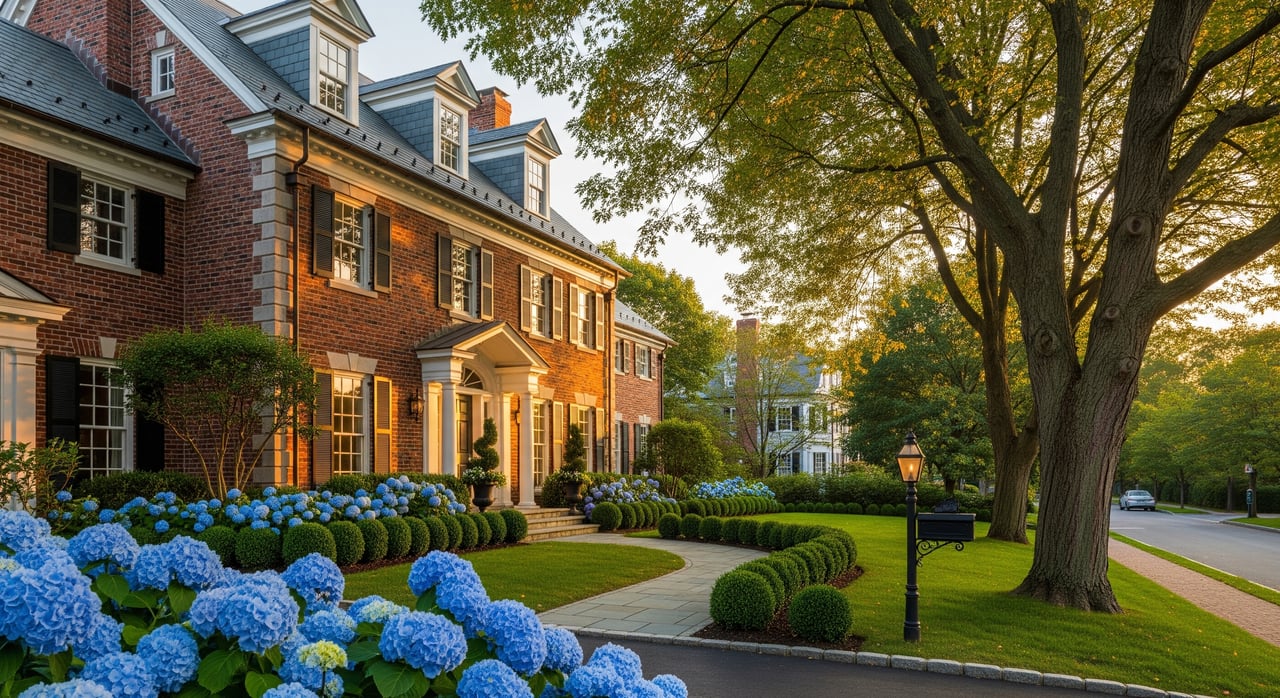
What Living in Wellesley MA Is Really Like
February 5, 2026
February 5, 2026
Thinking about trading city energy for leafy streets and a walkable downtown? If Wellesley is on your short list, you likely want more than a postcard view. You want to know how it feels to live here day to day, from school drop-offs to Saturday coffee runs. In this guide, you will learn how Wellesley works, where people spend their time, how you might commute, and what housing choices fit different lifestyles. Let’s dive in.
Wellesley sits about 12 to 16 miles west of downtown Boston, within Norfolk County and the MetroWest region. The town is primarily residential, with compact village centers that anchor daily life. You will find household incomes and property values that sit well above state averages and a strong draw for professionals.
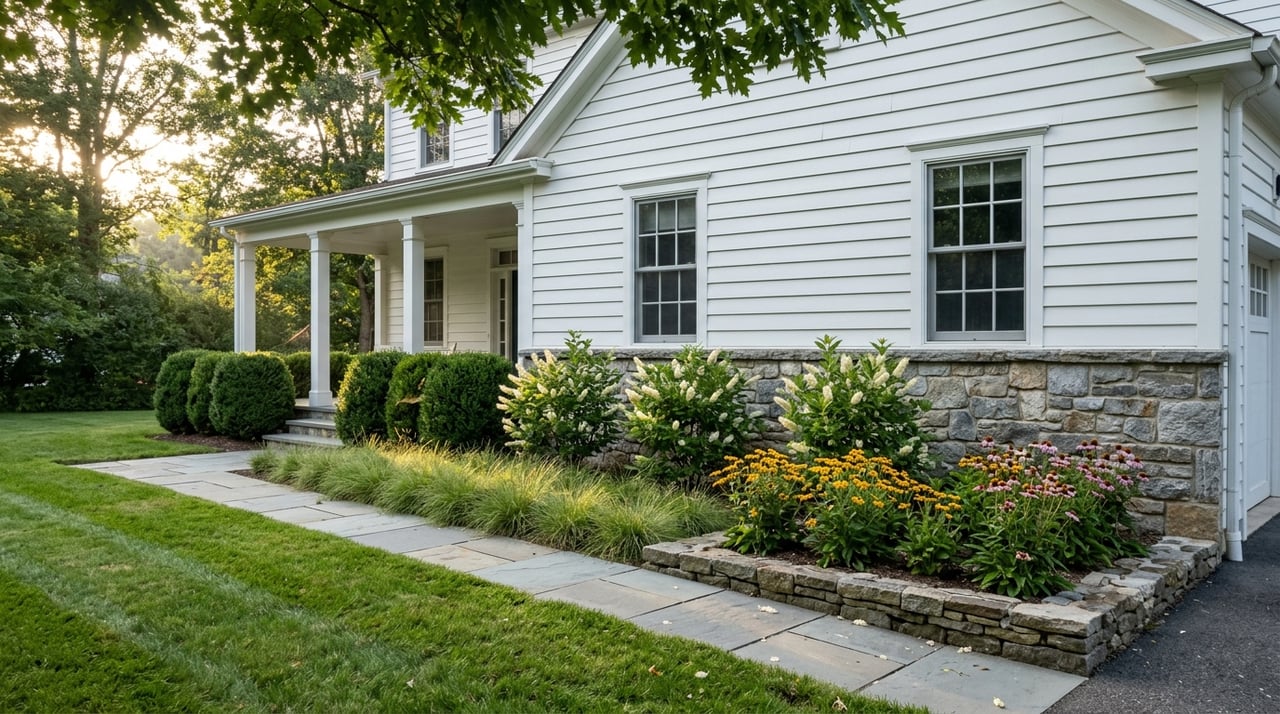
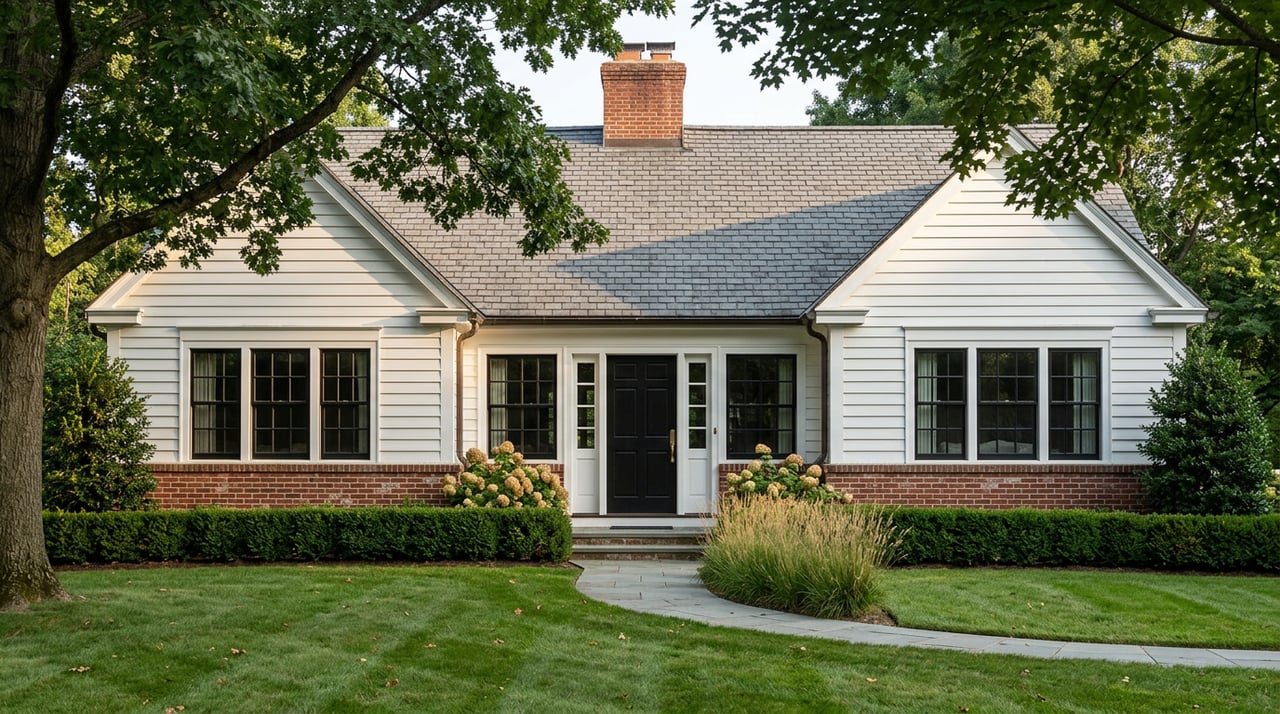
Most neighborhoods are single-family, with conservation land and the Wellesley College campus adding open space and cultural energy. Many households choose Wellesley for its schools, access to commuter routes, and small-town feel near the city.
This is the main downtown. It is compact and walkable, with shops, cafés, restaurants, banks, and services clustered near the commuter rail. Many residents do errands here, then linger for a weekend stroll or a coffee chat.
Wellesley Hills blends residential streets with local restaurants and retail, and it also has a commuter rail stop. The feel is a touch quieter than the Square, with a solid mix of services and dining.
On the western side, Wellesley Farms has a village feel and tree-lined streets. Lots tend to be larger, with a more country-suburban vibe while still close to commuter options.
Wellesley is known for its single-family homes, but you have a range of options.
If walkability is your top priority, look near Wellesley Square, Wellesley Hills, or Wellesley Farms. Central neighborhoods often have smaller lots and denser frontage. Western areas, including parts of the Farms, offer larger parcels and estate-style living. Condo and townhouse options exist and are popular with downsizers and buyers seeking less maintenance, though inventory can be limited.
Wellesley is an upper-tier market with pricing above Massachusetts medians. Single-family homes make up most of the inventory, while condos and townhomes offer a lower entry point. When desirable homes list near village centers or within favored school zones, competition can be strong and inventory tight.
Wellesley Public Schools are consistently regarded as among the top-performing districts in Massachusetts. Families typically note strong academics, robust arts and athletics, and advanced course options at the high school level. Parent involvement is high, and some specialty programs can have strong demand and waitlists.
You will also find private schools, daycares, and preschools in and near town. Availability can be limited, so it is wise to plan ahead for applications and timelines.
Wellesley College adds another layer to daily life. Beyond being a well-known liberal arts college, it hosts lectures, concerts, and exhibitions that residents often enjoy.
Wellesley has three commuter rail stations on the Framingham/Worcester Line, a common choice for trips to Back Bay and South Station. MBTA bus service within town is limited, so most public-transit users rely on the rail or drive to regional hubs.
If you drive, Route 9 is the main east-west arterial that ties into Boston and Natick. I-95/Route 128 and I-90 (Mass Pike) are both within a short drive and connect to many suburban job centers. Car commutes to Boston vary widely by time and route. School drop-off windows and Route 9 are the most common local traffic pinch points. Logan International Airport is reachable by car or by a combination of rail and transfers, with travel time depending on traffic.
You can handle most errands in town. Grocery stores, pharmacies, banks, salons, and local medical practices are spread across village centers. Larger supermarkets and specialty shopping sit along Route 9 and in nearby communities. Parking in the village centers can be tight during peak weekend hours, so plan a little extra time.
Winters bring snow and ice, and the town manages removal and school-closure protocols. If you are relocating from a milder climate, consider winter tires and a plan for driveway maintenance.
Open space is part of Wellesley’s appeal. Conservation land, trails, and town fields are plentiful. Lake Waban, next to Wellesley College, is a favorite walking route and a local landmark for rowers and casual strolls. Youth sports and recreation programs are active, and you can find fields and facilities throughout town.
Wellesley’s civic life runs deep. The libraries, community programs, and volunteer groups are active year round. Seasonal farmers markets, small festivals, and community concerts create a steady rhythm on the calendar. Wellesley College enhances this with public lectures, performances, and exhibitions that add variety to weeknights and weekends.
When you weigh Wellesley against nearby options, a few tradeoffs stand out.
Families often pick Wellesley for the blend of top-tier public schools, multiple walkable village centers, and commuter rail access. If you want a suburban home with an easy downtown coffee run and a train option to Boston, this mix is hard to replicate.
Ask yourself a few practical questions.
If you nodded yes to several, Wellesley may be a strong match.
Whether you are relocating to MetroWest, moving up, or downsizing, you deserve thoughtful guidance and a clear plan. You can expect hands-on advocacy, strategic marketing, and steady communication from a local expert who knows how to navigate competitive offers and showcase homes at a high level. When you are ready to explore Wellesley, reach out to Edith Paley to align your goals, timeline, and budget with a smart strategy.
Stay up to date on the latest real estate trends.
Edith will be your advocate. Whether buying or selling or both, she will work tirelessly to promote your best interests. When orchestrating deals, Edith is assertive and effective without being too aggressive.