Westwood MA Living: Is This the Right Suburb for You?
July 23, 2026
July 23, 2026
If you are looking for a suburb that gives you easier access to Boston without giving up a quieter, more residential feel, Westwood may already be on your list. Many buyers are drawn to towns that balance commuting options, everyday convenience, and a strong sense of place, but finding that mix is not always easy. In Westwood, you get a town with established neighborhood areas, major shopping and dining, rail access, and plenty of open space. Let’s take a closer look at what it’s like to live there.
Westwood is a Norfolk County suburb located about 12 miles southwest of Boston. The town sits at the junction of I-95/Route 128 and I-93, which helps explain why it has long been a practical choice for commuters.
As of July 2024, Westwood had an estimated population of 16,533. It feels like a smaller town, but its transportation access and commercial areas give it a level of convenience that many suburbs its size do not have.
Living in Westwood often means having a suburban routine with a few built-in advantages. You have residential neighborhoods, village-style centers, and a major mixed-use shopping area, all within one town.
The town is also relatively stable. Census data shows that 87.6% of residents lived in the same house a year earlier, which can suggest a community where many people stay put over time.
Westwood is also shaped by a well-established homeowner base. About 87.3% of housing units are owner-occupied, and the median owner-occupied home value is $1,041,500.
That price point places Westwood firmly in the higher-cost suburban market. If you are considering a move here, it helps to be prepared for a competitive price range compared with many other communities in the broader Boston area.
One of the most helpful things to understand about Westwood is that it does not revolve around one traditional downtown. Instead, the town functions through a few key centers and corridors.
Town materials identify High Street and Islington’s Washington Street as village centers. Route 1 serves as a highway business district, and University Station acts as a major mixed-use destination.
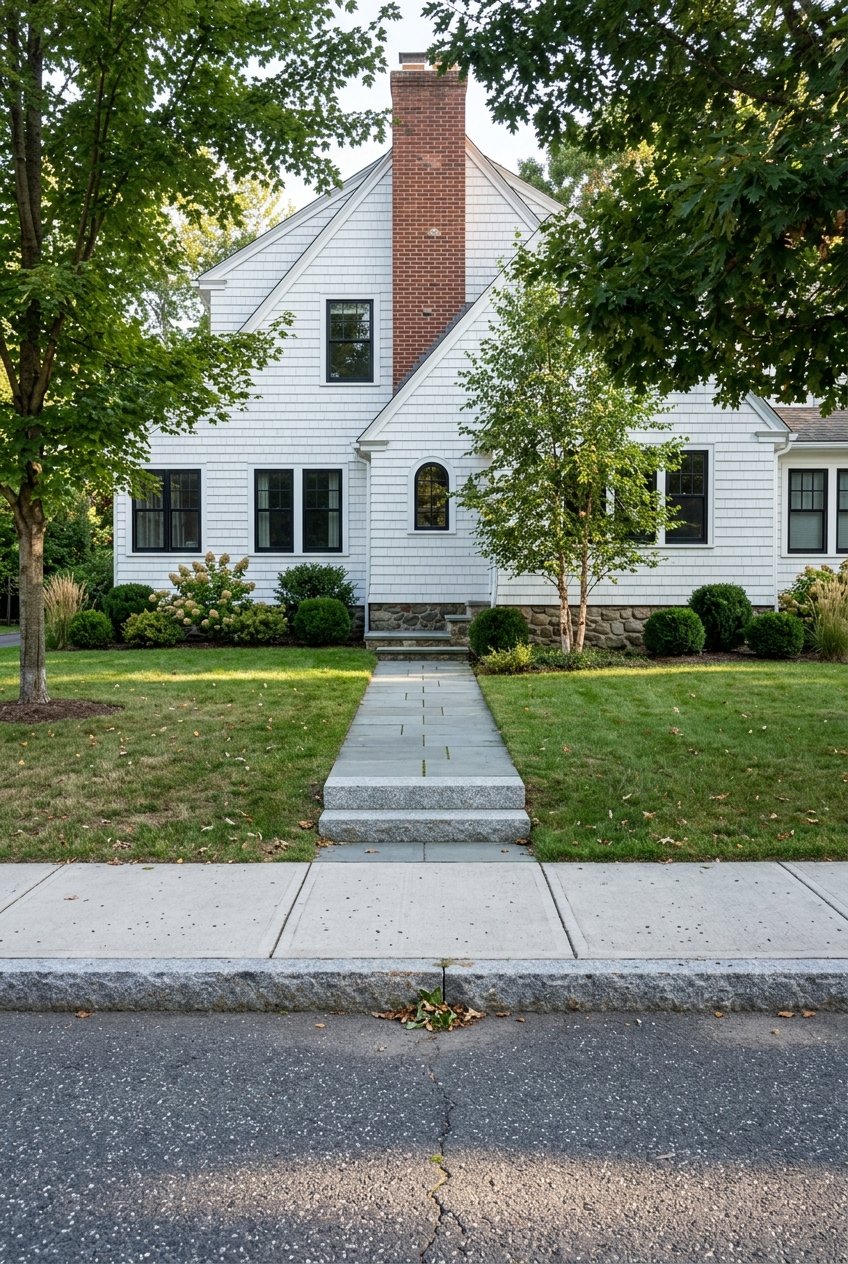
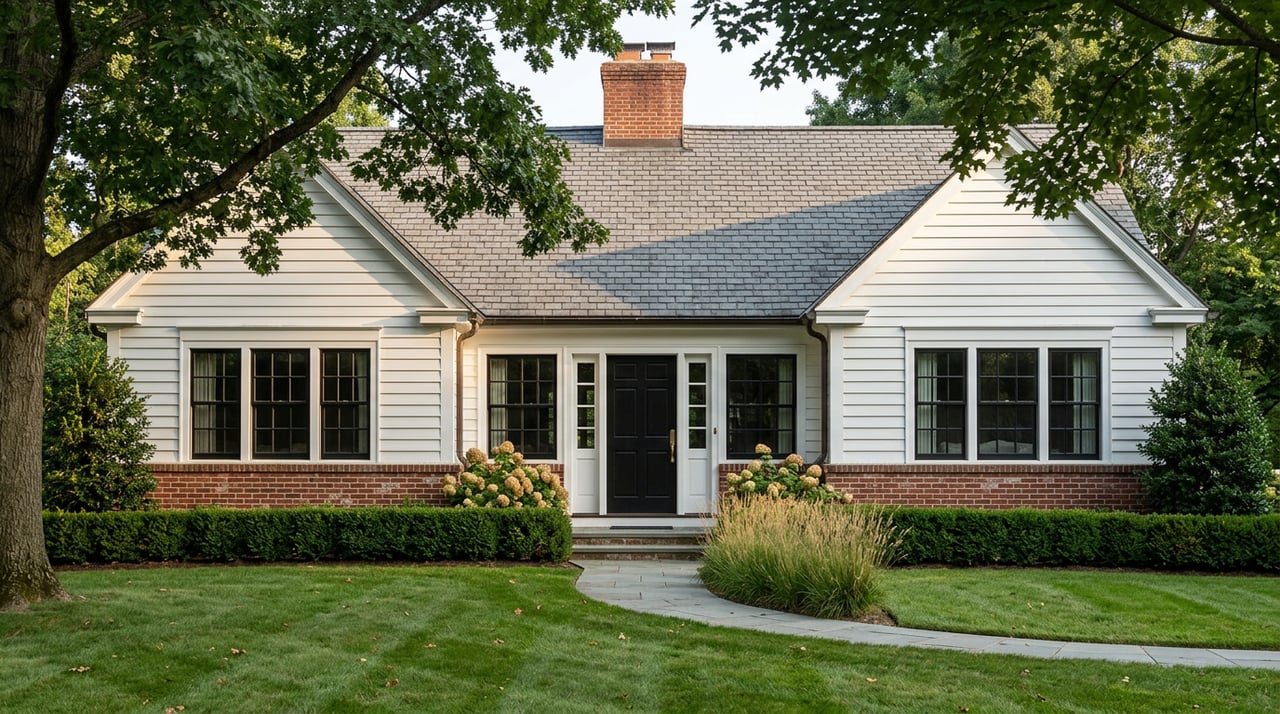
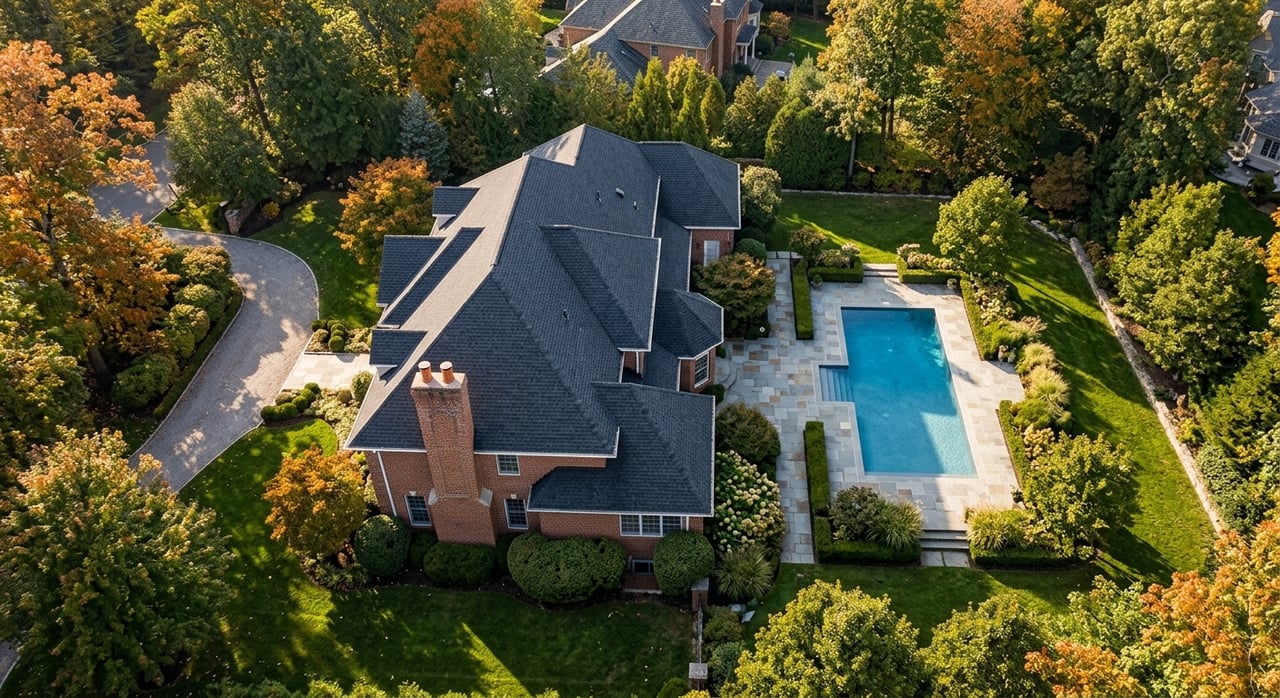
Between and behind those commercial areas, much of Westwood is predominantly single-family residential. That pattern gives the town a classic suburban feel across large portions of its residential areas.
If walkability matters to you, the most convenient areas are generally near the village centers and University Station. These parts of town tend to place shops, services, dining, and transit closer together.
Outside those nodes, Westwood is more car-oriented. That does not make it inconvenient, but it does mean your day-to-day experience may depend a lot on where in town you live.
Because of its layout, Westwood’s housing mix is not the same everywhere. Much of the town is made up of single-family homes, while condos, apartments, and townhome-style options are more likely to be found closer to transit and retail areas.
That gives buyers a few different entry points into the market. Whether you are looking for a traditional suburban home, a lower-maintenance townhome, or a condo with easier access to shopping and the train, Westwood offers a mix of choices.
Transportation is one of Westwood’s strongest selling points. For many buyers, this is one of the main reasons the town stands out.
Westwood has access to two commuter rail lines, along with full MBTA bus service on Routes 1 and 1A. The town also benefits from its location at the junction of Route 95/128 and I-93.
That means you can choose between driving and rail depending on your schedule and destination. In many suburbs, residents get one or the other. In Westwood, you have both.
Islington station provides MBTA commuter rail service to Boston. Route 128 station serves both MBTA commuter rail and Amtrak intercity service, giving residents another layer of regional access.
Bus service is concentrated around important local corridors, including Washington Street in Islington Center. Transit is available, but it is not spread evenly across every residential area, so location still matters if you want to rely on public transportation regularly.
The average commute in Westwood is 30.2 minutes, according to Census data. Of course, your actual commute will depend on where you work and whether you drive, take the train, or use a mix of both.
For many residents, though, Westwood offers the kind of flexibility that makes suburban living feel more manageable. That blend of highway access and rail service is a real advantage.
Westwood offers more shopping and dining than some buyers expect from a town of its size. That convenience is a major part of day-to-day life here.
The biggest commercial destination is University Station. This 2 million-square-foot mixed-use development on University Avenue includes major retailers like Target and Wegmans, along with stores such as Nordstrom Rack, Marshalls/HomeGoods, ULTA Beauty, PetSmart, and Michaels.
You will also find a range of dining options there, including casual spots and sit-down restaurants. The development includes 350 luxury apartments as well, which adds to its mixed-use feel.
Westwood’s commercial life is not limited to one area. The Route 1 business district includes larger retail and service uses plus corporate offices.
For more local day-to-day errands and services, High Street and Islington’s Washington Street play an important role. The town notes that these areas provide retail services that support everyday local life.
Westwood is also home to more than 200 businesses across its established commercial areas. That helps make the town feel self-contained for many routines, from errands to dining out.
Westwood’s civic core is also easy to understand once you know the layout. High Street is home to Town Hall, the Main Library, a fire station, and the Police Department.
The town directory also lists an Islington branch library on Washington Street. For residents, this setup creates a practical mix of central services and neighborhood-oriented access points.
That may sound like a small detail, but it matters in daily life. A town that keeps civic services easy to reach often feels more organized and user-friendly.
If you want a suburb with room to get outside, Westwood has a lot to offer. Recreation and open space are a meaningful part of the town’s appeal.
The recreation office and pool are located at the Westwood High School complex. The recreation department runs year-round programs and community events, including Westwood Day.
Westwood’s open-space resources give residents several ways to enjoy the outdoors. Buckmaster Pond is described as a place for hiking, bird watching, picnics, and fishing.
Hale Reservation includes about 1,137 acres of wooded land, 20 miles of trails, and four ponds in Westwood and Dover. The town also maintains trail resources for Hale, Lowell Woods, and Currier Reservation.
For buyers who want a suburban setting without feeling cut off from nature, this is a big plus. Westwood offers access to both developed amenities and quieter outdoor spaces.
Westwood Public Schools serves the town with an integrated preschool, four elementary schools, Thurston Middle School, and Westwood High School. For many households, one practical advantage is that school routines are contained within one compact town.
That can make day-to-day planning simpler, especially if you value having town services, schools, and recreation woven into the same local footprint.
Westwood is best understood as a higher-cost suburb. In addition to the median owner-occupied home value of $1,041,500, Census data reports median monthly owner costs with a mortgage above $4,000.
For renters, the median gross rent is $2,553. Those numbers help paint a clear picture: Westwood offers convenience and amenities, but you should expect a premium price compared with many surrounding areas.
The town also has a median household income of $223,125, which reflects its overall market position. If you are planning a move here, it is smart to look closely at your budget and the type of property that fits your goals.
Westwood can be a strong fit if you want suburban living with meaningful commuter options. It may also appeal to you if you value a town with a mix of village centers, major shopping, civic amenities, and outdoor recreation.
If you are hoping for a highly walkable, urban-style environment throughout the entire town, Westwood may not feel that way in every area. Much of it still functions like a classic suburb, especially away from the centers and transit nodes.
That said, if your priority is a well-located suburb with a strong residential base, practical amenities, and a relatively self-contained feel, Westwood checks a lot of boxes.
Whether you are relocating, moving up, or trying to find the right balance between space and access, understanding how Westwood lives block by block can make your decision much clearer. If you want help exploring homes and neighborhoods in Westwood and nearby MetroWest communities, reach out to Edith Paley for thoughtful, personalized guidance.
Stay up to date on the latest real estate trends.
Edith will be your advocate. Whether buying or selling or both, she will work tirelessly to promote your best interests. When orchestrating deals, Edith is assertive and effective without being too aggressive.